
Sapel Blog
What Standards Do Food and Drug Authorities Set for Plastic Pharmaceutical Containers?
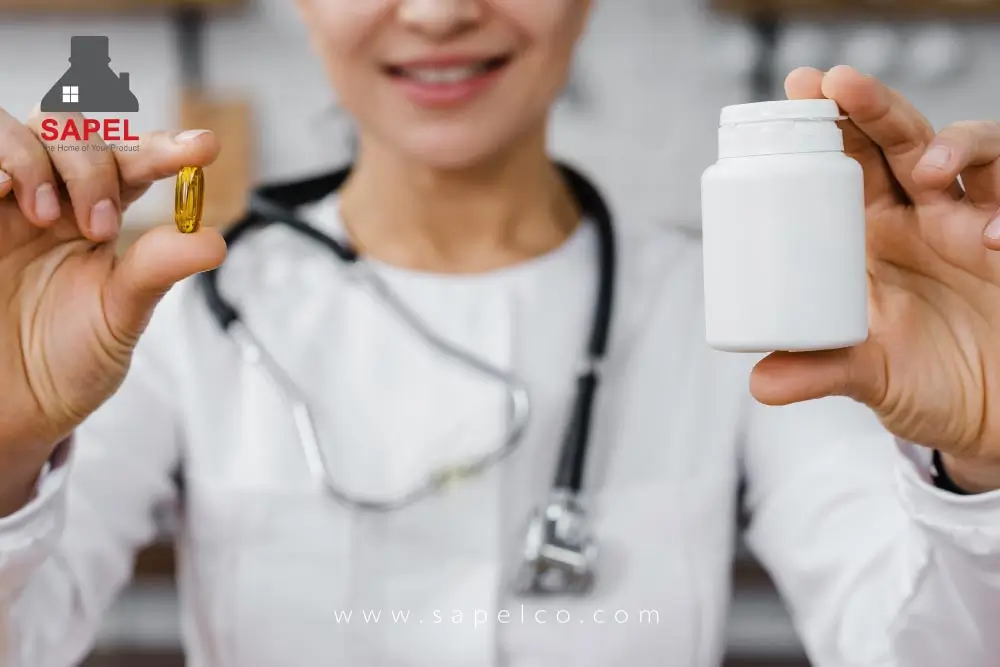
At first glance a plastic jar or bottle may look like a simple container, but in pharmaceuticals the container is considered part of the drug’s formulation. Put simply, the quality and efficacy of a medicine, right up to the last day it is used, depend entirely on how its plastic container behaves.
What Risks Does Plastic Pose to Medicines?
Despite their harmless appearance, plastics can interact with medicines:
- Leaching of chemicals: additives or plasticizers dissolving out of the plastic and migrating into the drug.
- Sorption of the active ingredient: drug molecules sticking to the inner wall of the plastic, reducing the therapeutic effect.
- Permeation of air and moisture: oxygen or moisture passing through the plastic wall and spoiling sensitive medicines.
US Food and Drug Administration (FDA) Rules
Under 21 CFR 211.94, the FDA states clearly that drug containers must not be reactive, additive or absorptive, so that the quality and purity of the drug are not altered. In addition, under Section 501 of the FD&C Act, a product whose container transfers toxic substances to the drug is legally considered “adulterated”.
Requirements of the Iran Food and Drug Administration
In Iran, under the Food and Drug Law (enacted in 1967) and Clause 7 of the national packaging guidelines, the primary container material must be chosen so that it has not even the slightest negative effect on the quality and safety of the medicine throughout its shelf life.
Which Plastics Do Food and Drug Authorities Approve for Drug Containers?
Of the hundreds of plastics on the market, only a limited number of polymers are approved for direct contact with medicines:
- High-density polyethylene (HDPE): the best-known plastic for opaque tablet and capsule bottles, thanks to its excellent moisture resistance.
- Low-density polyethylene (LDPE): the first choice for eye drops and syrups because of its high flexibility.
- Polypropylene (PP): heat-resistant and suitable for closures, syringes and sterilizable containers.
- Polyethylene terephthalate (PET): a clear, strong plastic widely used for syrup bottles and pharmaceutical jars.
We cover this topic in more detail in our article Choosing the Right Plastic for Pharmaceutical Packaging.

Ban on Recycled Plastics
One of the firm rules of the FDA and other regulators is that the use of recycled, second-hand plastics in primary pharmaceutical containers in direct contact with the drug is strictly prohibited. All plastic pharmaceutical containers must be made from virgin raw materials so that no unknown contamination can reach the drug. Sapel always uses only new, virgin raw materials for all the packaging it produces, including its polyethylene bottles and jerrycans.
Basic Standards and Required Tests for Pharmaceutical Packaging
For a polymer to be allowed onto a pharmaceutical container production line, it must pass several important tests:
- Compliance with food additive regulations (21 CFR 174-186): as a first step, the plastic used must meet food-contact standards.
- Physicochemical tests for plastics (USP <661>): evaluation of light transmission, water vapor permeation, heavy metals and chemical residues in the container wall.
- Biological safety tests (USP <87> and USP <88>): close examination of cytotoxicity and the biological reactivity of the plastic wall on living cells and tissues for more sensitive drugs.
Where Plastic Containers Stand in the Iran FDA’s Regulations
Under Iran’s national regulations, plastic containers in direct contact with medicines fall into the “Level 1 primary packaging” group. Accordingly, the manufacturer must submit certificates of analysis (COA) for the resin, a non-toxicity certificate and container quality documentation (for example for PET or HDPE jars) to the authority.

Authenticity and Labeling Standards for Plastic Containers in Iran
Even if a plastic container is fully compliant in terms of material, it cannot be placed on the market without correct labeling and control codes. To prevent counterfeiting and protect patients, the Iran Food and Drug Administration has set specific requirements:
Authenticity and Track-and-Trace Codes (UID / TTAC)
- 2D barcode and UID: The unique UID, the product’s trade item number (GTIN), the batch/lot number and the expiry date must appear on the container or its label, both as text and as a GS1-Data Matrix 2D barcode (inside a white box with a yellow border).
- Non-removable label: If the authenticity code is applied to the plastic container as a label, it must be of a quality that makes it impossible to remove from the package; otherwise the product is considered unauthorized.
Mandatory Information on the Primary Container (in Direct Contact with the Drug)
Under the national guidelines, the following must be stated directly on the main plastic jar or bottle:
- Product name and dosage form: the product name and dosage form (such as syrup, tablet or drops) in both Persian and English, in the same font size.
- Strength and amount of active ingredient: the exact amount of active ingredient per dose unit.
- Batch number and expiry date: these must be printed on the primary container, so that vital information remains available to the patient if the carton is lost.
Risk Assessment by Dosage Form, and Stability Testing
Under FDA rules, not all plastic containers are assessed with the same level of scrutiny; the extent of testing depends on the route of administration and the likelihood of chemical interaction with the container. Glass and plastic containers are also assessed differently; to compare the two, read our article Glass or Polyethylene Pharmaceutical Containers?
Classifying Plastic Containers by Drug Risk
- Very high risk (injectable, ophthalmic and inhaled drugs): with injectable or inhaled liquid drugs, anything leaching from the plastic goes straight into the blood or sensitive tissues. Containers for these drugs (such as IV bags, prefilled syringes and droppers) therefore require the most comprehensive biological and toxicological testing and leachables studies.
- Medium risk (oral liquids and syrups): in oral liquid drugs, solvents or alcohol in the formulation can promote the migration of plastic components into the drug. For these containers, in addition to the basic assessments, the absence of solvent leaching and any change in quality over long-term use are checked.
- Low risk (oral solids such as tablets and capsules): because the drug is solid, chemical interaction with the wall of an HDPE jar is far less likely, and the authority focuses mainly on preventing moisture and oxygen ingress.
Stability Testing: The Final Proof of a Container’s Suitability
Initial laboratory approval of the plastic material is not enough on its own; the container’s real quality must remain stable over time:
- Stability tests over the shelf life: to obtain a marketing authorization, the drug is stored in its final plastic container under real-time and accelerated temperature and humidity conditions, to confirm that the container does not change, become brittle or react with the drug up to the last day of its shelf life.
- Proof of mutual compatibility: these tests prove that the container does not degrade the drug and that the drug’s components do not deform or damage the plastic wall.

Checklist for Evaluating Plastic Containers
1- Evaluation of raw materials and plastic resin:
- No recycled plastics in containers in direct contact with the drug.
- Resin compliance with food-contact standards (such as 21 CFR 174-186) and a non-toxicity certificate.
- A certificate of analysis (COA) from the resin supplier for every production batch.
2- Pharmacopoeial and biological safety testing:
- Physical protection: light transmission and water vapor permeation tests (USP <661> and USP <671>).
- Chemical safety: extractables & leachables studies and biological toxicity tests (USP <87> and USP <88>) for liquid and injectable drugs.
- Compatibility and stability: recording and submitting real-time and accelerated stability data together with the finished drug product.
3- Labeling and authenticity control:
- Accurate printing of the mandatory information, including the Persian and English names, strength, batch number and expiry date, on the primary container.
- Affixing the track-and-trace and authenticity code (UID / GS1-Data Matrix) with non-removable labels in line with the system’s rules.
- Tamper-evident and child-resistant mechanisms where legally required.