
Sapel Blog
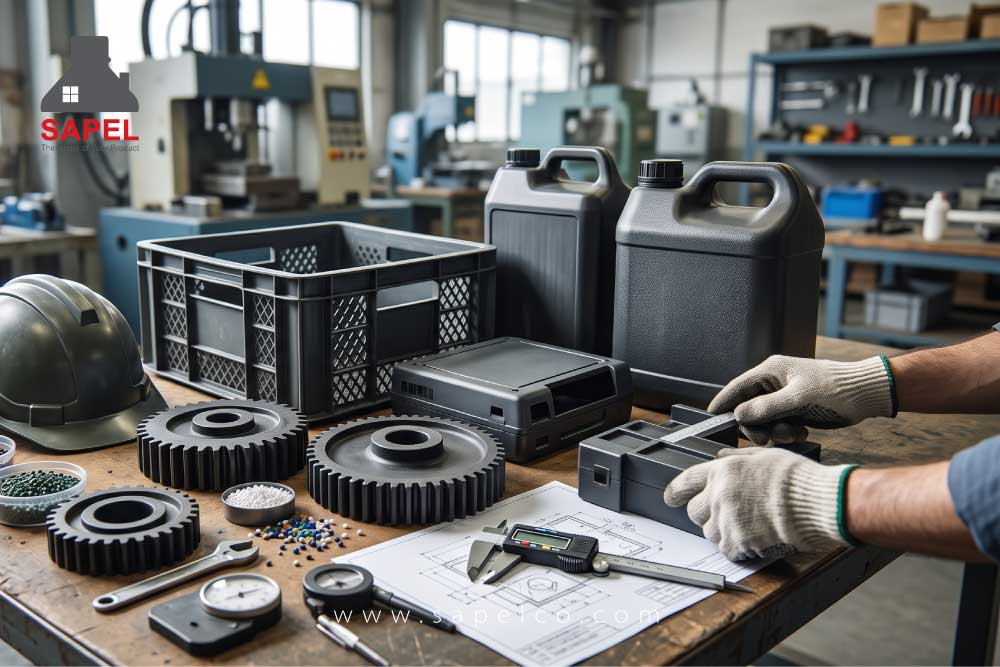
What Is Rigid Plastic? (Types, Advantages and Industrial Uses)
Have you ever noticed, while doing your everyday shopping, why a freezer bag or a sheet of cling film stretches, bends and crumples so ...
The Secret of Plastic Digestion: Why Can Insects Eat Plastic When Humans Can’t?
Global plastic production has reached about 460 million tonnes a year, and because of their very high chemical stability these material...
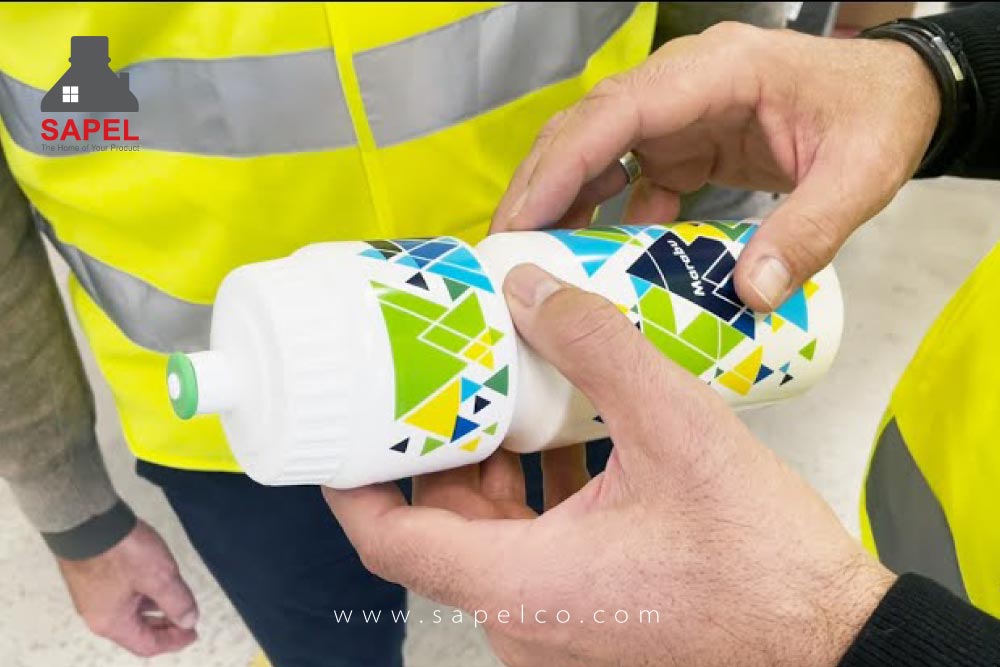
Printing Methods for Polyethylene Bottles
Polyethylene (especially HDPE and LDPE) is one of the most widely used raw materials for manufacturing plastic jerrycans and bottles, t...
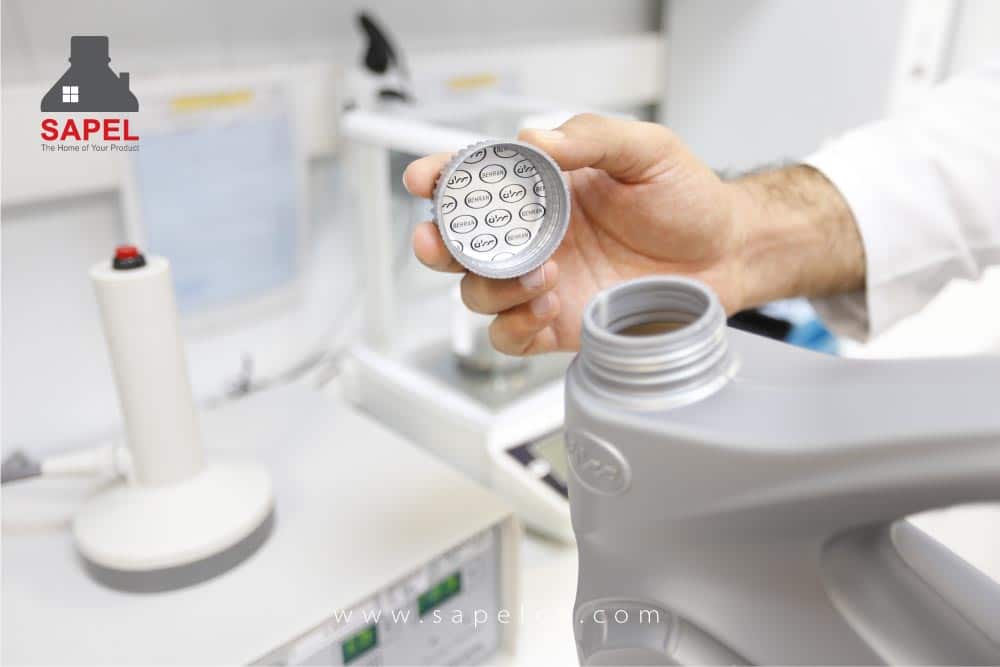
How to Seal Jerrycan and Bottle Caps
Correct packaging and sealing of containers and bottles is one of the most critical stages in producing, storing and supplying food, ph...
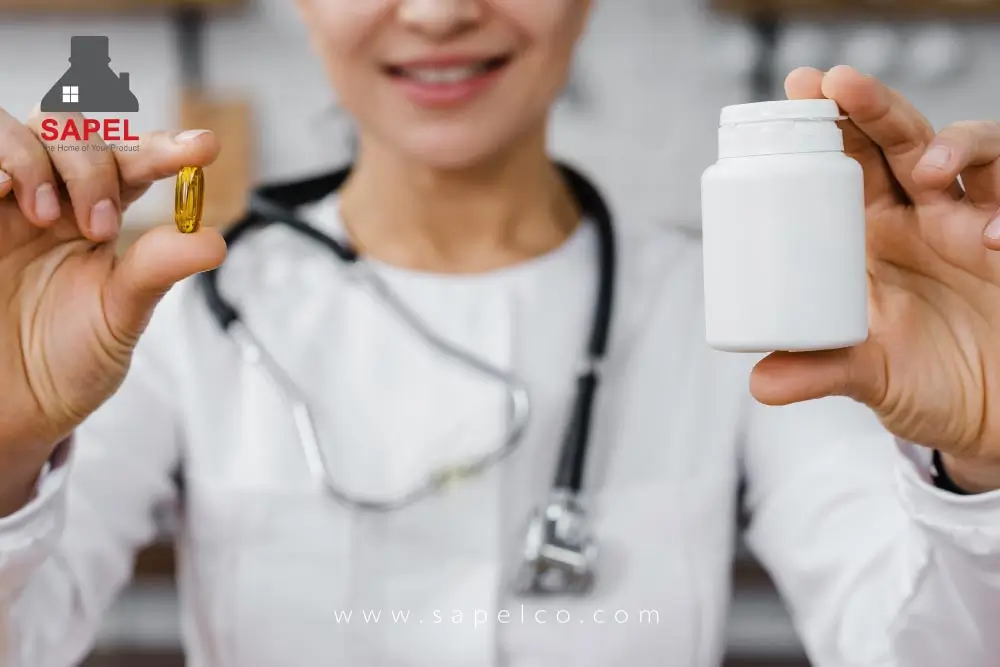
What Standards Do Food and Drug Authorities Set for Plastic Pharmaceutical Containers?
At first glance a plastic jar or bottle may look like a simple container, but in pharmaceuticals the container is considered part of th...
3 Plastics That Withstand Cold and Freezing
It may sound strange, but like any other material, plastics differ in how much cold they can take. Every type of plastic has a standard...
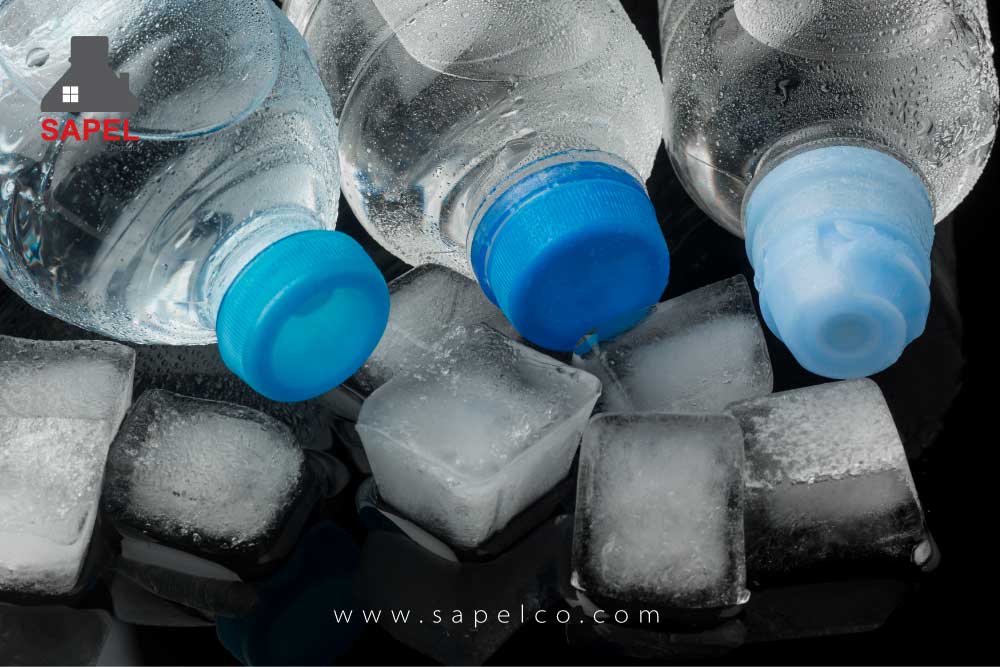
Does Freezing Plastic Water Bottles Really Cause Cancer?
Let's put your mind at rest right away: no, freezing plastic water bottles does not increase your risk of cancer in any way. Leading sc...
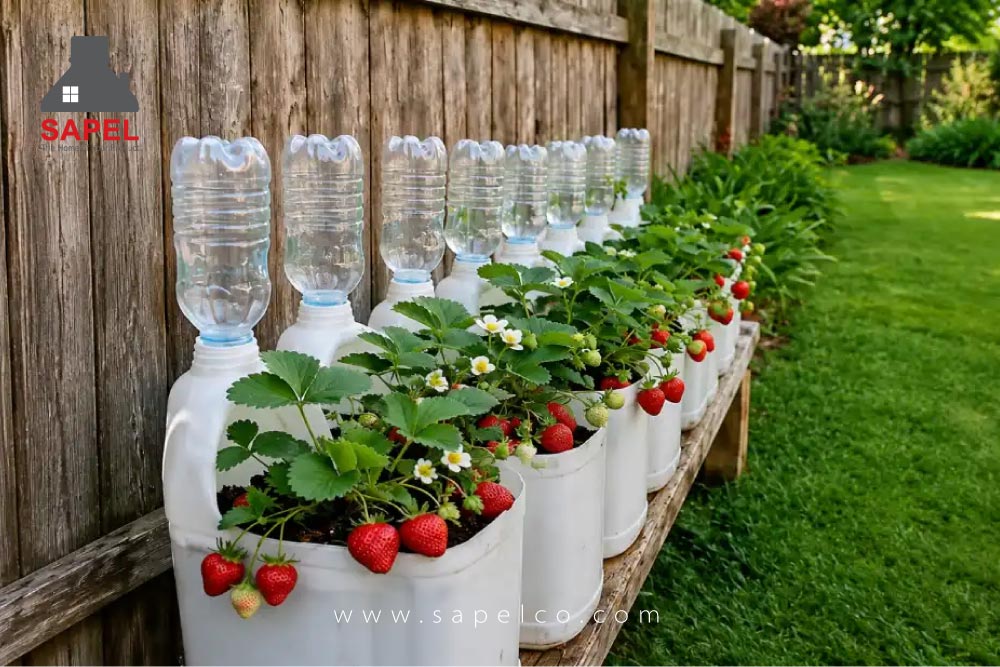
How to Grow Vegetables in Jerrycans
Many of us think we can't grow our own vegetables because we don't have a big yard or a plot of farmland. But it's time to set the excu...
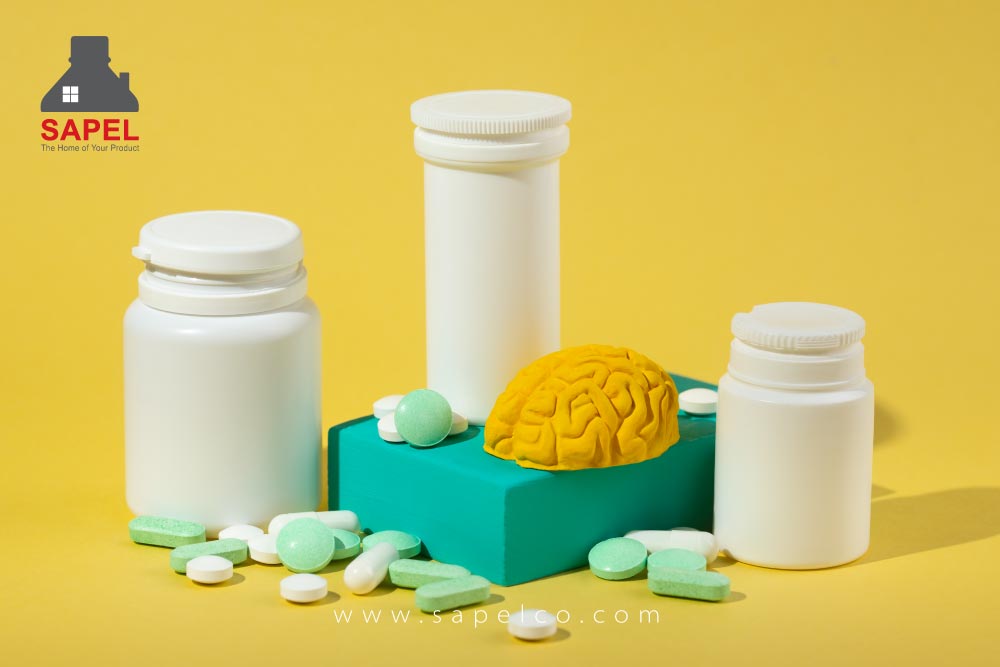
Choosing the Right Plastic for Pharmaceutical Packaging
Packaging is an integral, inseparable part of every medicine. This protective system is responsible for maintaining the drug's stabilit...
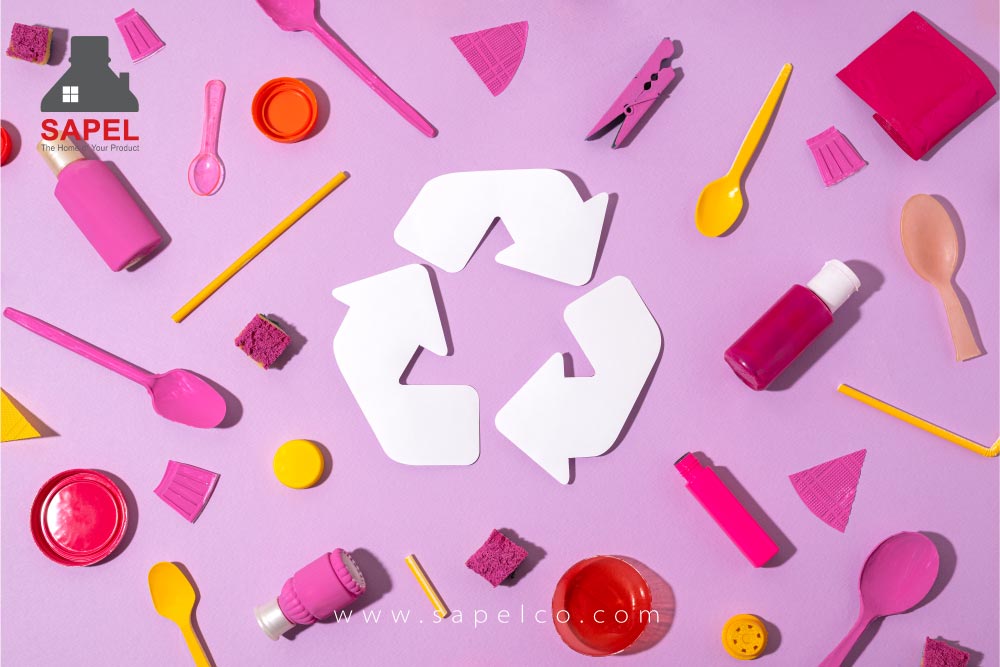
Can Nail Polish Bottles Be Recycled?
The big misconception: "It's just an ordinary glass bottle!" Many people believe nail polish bottles can easily be recycled through mun...