
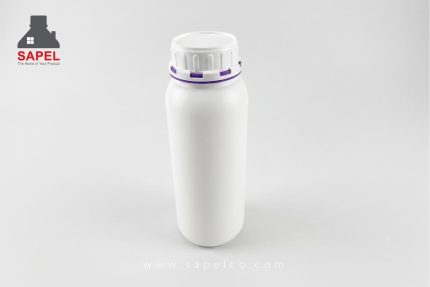
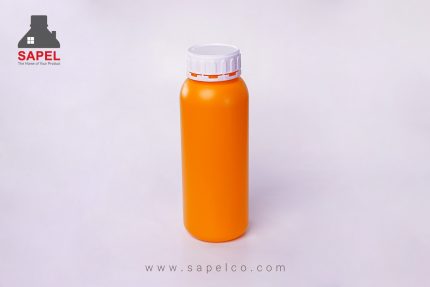
1-Liter Plastic Bottle
| Capacity | 1 L |
|---|---|
| Height | 238 mm |
| Length | 88 mm |
| Width | 88 mm |
| Neck Height | 27 mm |
| Neck Diameter | 62.5 mm |
| Thread Pitch | 4 |
| Compatible Caps | SP-624 |
| Minimum Weight | 70 g |
| Maximum Weight | 130 g |
| Seal Type | Foam Liner + Induction Seal |
| Logo Printing | No |
| Label Area Size | 160 mm |
| Pallet Size | 1300×1100×150 mm |
| Quantity per Pallet | 1500 pcs |
| Quantity per Truck | 11000 pcs |
| Quantity per Trailer | 32500 pcs |
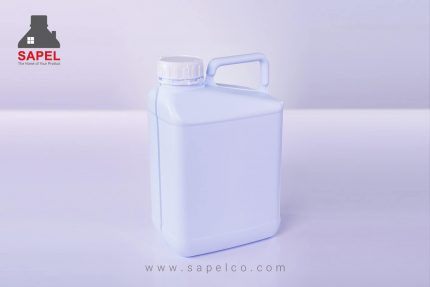
5-Liter Folding-Handle Jerrycan
| Capacity | 5 L |
|---|---|
| Height | 280 mm |
| Length | 187 mm |
| Width | 130 mm |
| Neck Height | 28 mm |
| Neck Diameter | 58 mm |
| Thread Pitch | 6 |
| Compatible Caps | SP-624 |
| Minimum Weight | 260 g |
| Maximum Weight | 380 g |
| Seal Type | Foam Liner + Induction Seal |
| Logo Printing | No |
| Label Area Size | 135×160 mm |
| Pallet Size | 1300×1100×150 mm |
| Quantity per Pallet | 432 pcs |
| Quantity per Truck | 3600 pcs |
| Quantity per Trailer | 9400 pcs |
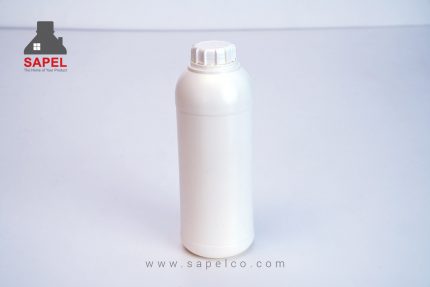
1-Liter Plastic Bottle with 48 mm Neck
| Capacity | 1 L |
|---|---|
| Height | 245 mm |
| Length | 88 mm |
| Width | 88 mm |
| Neck Height | 26.5 mm |
| Neck Diameter | 48 mm |
| Thread Pitch | 4 |
| Compatible Caps | SP-423, SP-452, SP-453, SP-624 |
| Minimum Weight | 70 g |
| Maximum Weight | 130 g |
| Seal Type | Foam Liner + Induction Seal |
| Logo Printing | No |
| Label Area Size | 154 mm |
| Pallet Size | 1300×1100×150 mm |
| Quantity per Pallet | 1500 pcs |
| Quantity per Trailer | 32500 pcs |
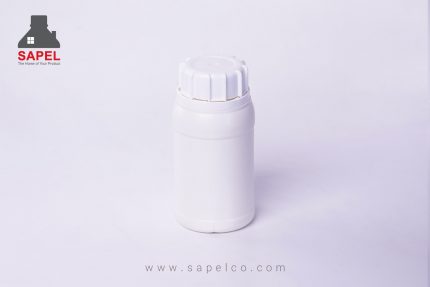
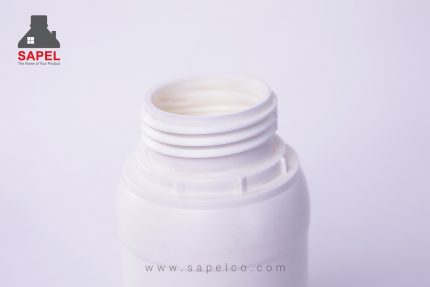
250 ml Plastic Bottle
| Capacity | 250 ml |
|---|---|
| Height | 126 mm |
| Length | 65 mm |
| Width | 63 mm |
| Neck Height | 26.5 mm |
| Neck Diameter | 48 mm |
| Thread Pitch | 4 |
| Compatible Caps | SP-423, SP-452, SP-453, SP-624 |
| Minimum Weight | 30 g |
| Maximum Weight | 50 g |
| Seal Type | Foam Liner + Induction Seal |
| Logo Printing | No |
| Label Area Size | 63 mm |
| Pallet Size | 1300×1100×150 mm |
| Quantity per Pallet | 3600 pcs |
| Quantity per Truck | 30000 pcs |
| Quantity per Trailer | 80000 pcs |
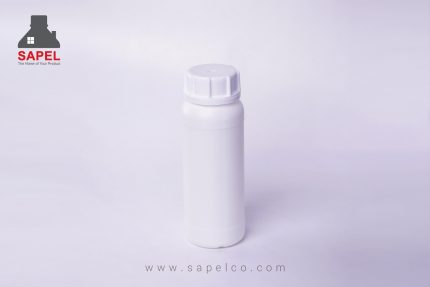
0.5-Liter Plastic Bottle
| Capacity | 500 ml |
|---|---|
| Height | 190 mm |
| Length | 68 mm |
| Width | 68 mm |
| Neck Height | 26.5 mm |
| Neck Diameter | 48 mm |
| Thread Pitch | 4 |
| Compatible Caps | SP-423, SP-452, SP-453, SP-624 |
| Minimum Weight | 45 g |
| Maximum Weight | 60 g |
| Seal Type | Foam Liner + Induction Seal |
| Logo Printing | No |
| Label Area Size | 110 mm |
| Pallet Size | 1300×1100×150 mm |
| Quantity per Pallet | 3000 pcs |
| Quantity per Truck | 24000 pcs |
| Quantity per Trailer | 70000 pcs |
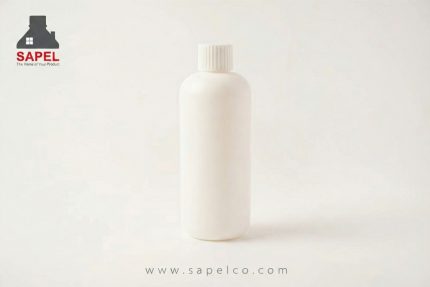
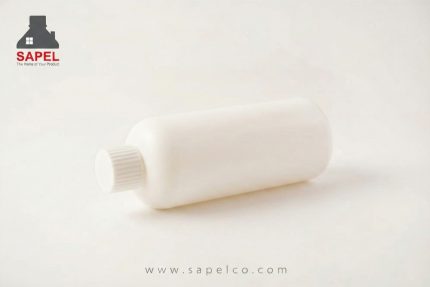
750 ml Plastic Bottle
In agriculture and chemical manufacturing, choosing the right packaging is more than a matter of looks: it directly affects safety, shelf life, transport and product quality. That is why polyethylene pesticide bottles have become one of the most widely used options for packaging pesticides and crop-protection products in recent years. Thanks to their high strength, light weight and compatibility with chemicals, they have earned a special place with both manufacturers and end users.
If you are looking for a high-quality plastic bottle for pesticide packaging, it is worth knowing that polyethylene, and HDPE in particular, is one of the best materials for chemical packaging bottles and HDPE chemical bottles.
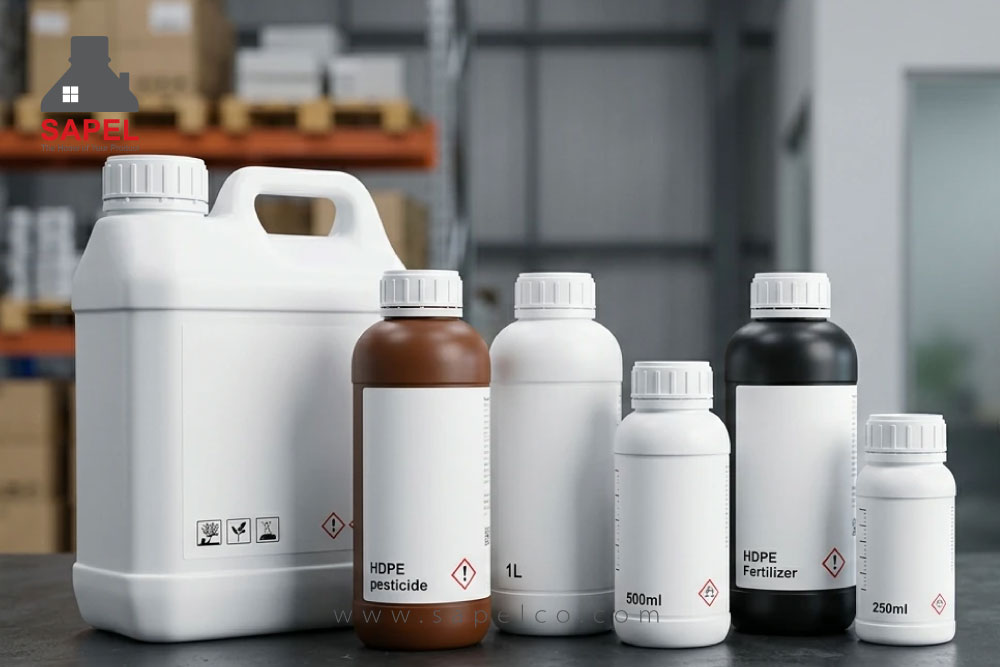
Advantages of HDPE Pesticide Bottles
One of the main reasons agricultural HDPE pesticide bottles are so popular is their excellent resistance to chemicals and environmental conditions. HDPE (high-density polyethylene) has a structure that performs well against impact, pressure and the permeation of many chemical compounds. This makes it a reliable choice for all kinds of agrochemical and pesticide bottles.
Other advantages of these bottles include:
- High resistance to leaks and cracking
- Light weight and easy transport
- Good durability in long-term storage
- Availability in a wide range of sizes
- Suitable for pesticide bottles with safety caps and tamper-evident caps
- Excellent compatibility with all kinds of polyethylene chemical bottles
On many production lines these bottles serve as chemical-resistant pesticide bottles because they are a cost-effective choice in terms of both safety and economics. Industrial manufacturers also use them as industrial polyethylene bottles and industrial plastic bottles.
Uses of Polyethylene Bottles in Pesticide Packaging
Agricultural polyethylene pesticide bottles are mainly used to store and sell liquid pesticides, crop-protection products, liquid fertilizers and similar chemical compounds. Wherever sensitive substances need safe and durable packaging, these bottles come into play. The main reason for this wide use is the resistance of polyethylene to many corrosive and chemical compounds.
In today's market, manufacturers need packaging that both looks professional and protects the product. That is why plastic chemical bottles and agricultural pesticide packaging bottles are among the leading options in the industry. They are highly practical for warehouse storage, transport and retail sale.
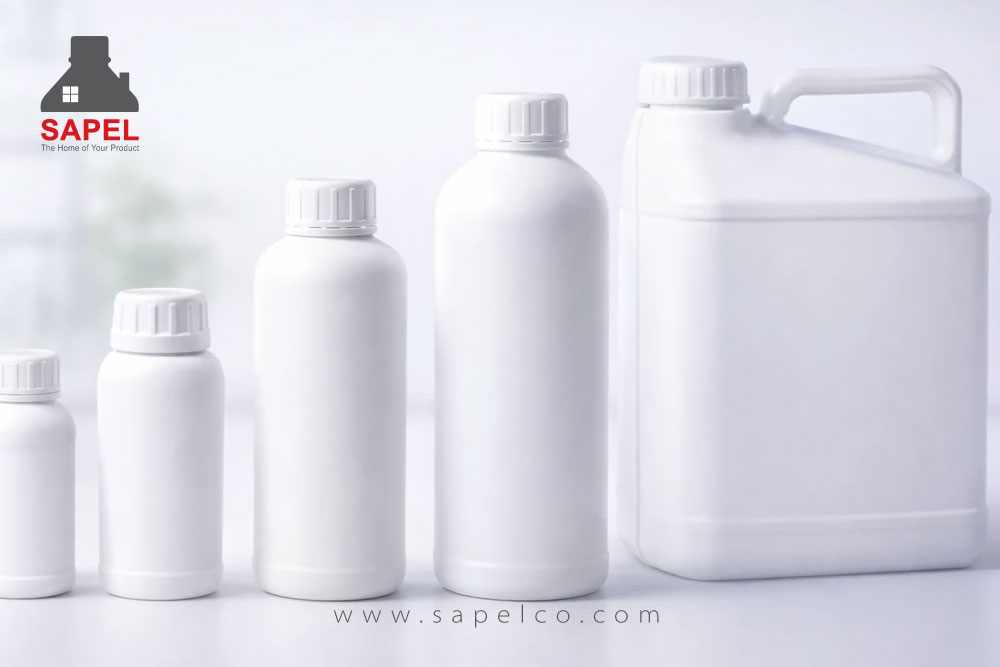
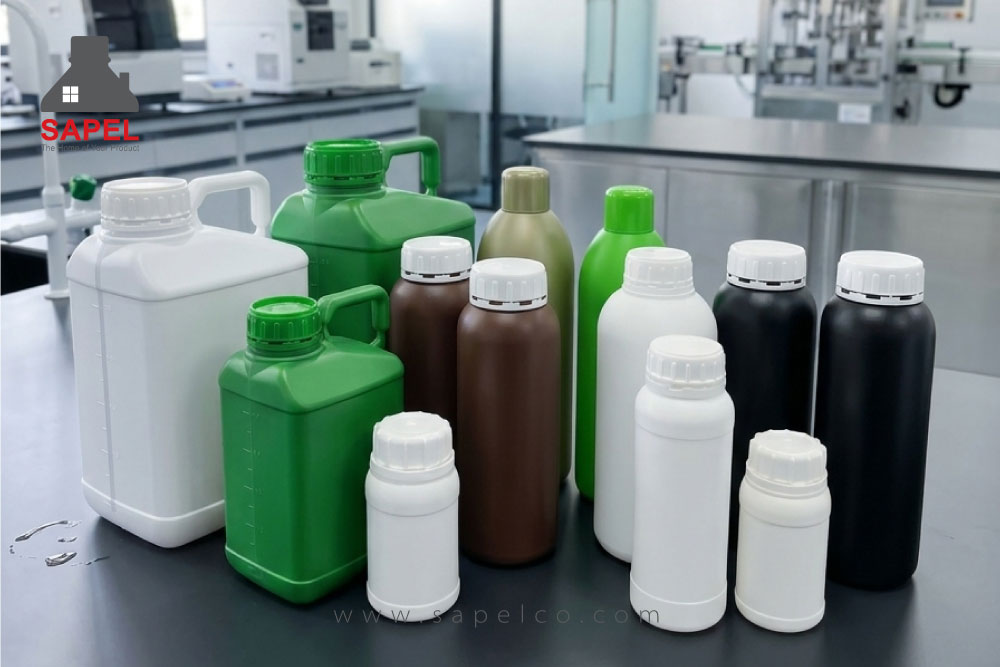
Common uses of this product include:
- Packaging of liquid agricultural pesticides
- Storage of pesticides and insecticides
- Packaging of specialty chemical solutions
- Supplying products in different consumer sizes
- Use as pesticide storage bottles at points of sale and distribution
Specialist packaging sources emphasize that storing fertilizers and pesticides in standard plastic containers helps preserve their quality and shelf life.
Types of Agricultural Pesticide Bottles
Agricultural pesticide bottles are made in different sizes and designs to meet a wide range of market needs. The right volume depends on how the product is used, the order size and the target market. Two of the most popular sizes are the 500 cc and the 1-liter polyethylene pesticide bottle.
Half-liter pesticide bottles
The half-liter (500 cc) polyethylene pesticide bottle is usually used for small-volume products, trial samples or pesticides with limited use. It is ideal for more precise distribution and controlled use.
1-liter pesticide bottles
The 1-liter polyethylene pesticide bottle is one of the most in-demand sizes on the market. It strikes a good balance between usage, transport and price, and is a common choice for many agricultural products.
Pesticide bottles with tamper-evident caps
A tamper-evident cap is one of the most important features of safe packaging. It helps prevent unauthorized opening, leaks and possible contamination. For many sensitive products, a pesticide bottle with a safety cap is a strict requirement.
Industrial and chemical bottles
Beyond agriculture, these products also fall into the category of industrial polyethylene bottles and industrial plastic bottles, as they can hold a wide range of chemicals. In more general applications they are also known as chemical packaging bottles and polyethylene chemical bottles.
If you are also considering jerrycans for pesticide packaging, take a look at our range of plastic jerrycans.
Key Points When Choosing a Pesticide Bottle
A pesticide packaging bottle should not be chosen on looks or price alone. To make the final product both safe and trustworthy for your customers, keep these key points in mind:
- Bottle material
The best choice for pesticides and chemicals is HDPE bottles, which perform very well as HDPE chemical bottles and agrochemical bottles.
- Cap type
The right cap matters a great deal. A tamper-evident or safety cap keeps the product from leaking or being tampered with during transport and storage.
- The right volume
Choosing between a half-liter and a 1-liter pesticide bottle should depend on the product, the target market and how it is used. Smaller volumes suit limited use, while larger ones are better for wholesale.
- Chemical resistance
Not every plastic bottle is suitable for pesticides. Make sure the bottle you choose is truly chemical-resistant and will not deform or leak in contact with its contents.
- Production standards
Production quality is critical when packaging sensitive substances. Plastic pesticide and crop-protection bottles should be selected with safety and quality standards in mind.
- Fit with your brand and application
If your product is for agriculture, an agricultural polyethylene pesticide bottle is the best option: technically suitable and professional-looking for your target market.
- Compatibility with different substances
Some products need more resistant packaging because of their specific formulation. In such cases a plastic chemical bottle or an industrial polyethylene bottle can be a safer choice.
Conclusion
Polyethylene pesticide bottles are one of the best options for safe, durable and practical packaging of pesticides and chemicals in agriculture. They are made in different volumes, such as 500 cc and 1-liter polyethylene pesticide bottles, and with features such as high resistance, light weight, tamper-evident sealing and chemical compatibility, they have become the first choice of many manufacturers.
If you are looking for an agricultural pesticide packaging bottle, a pesticide storage bottle or a standard polyethylene chemical bottle, the material, cap type, volume and build quality will be your most important selection criteria.