The World of Plastics
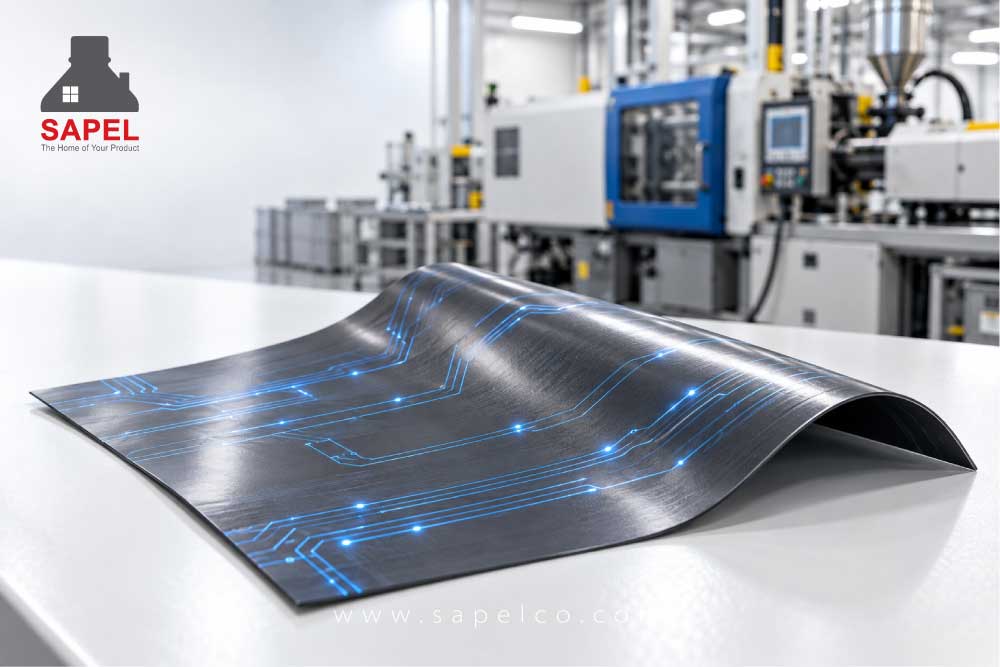
What Is Conductive Plastic? (How It Is Made, Advantages and Future Uses)
Back in school science lessons, we all learned a simple, universal rule: metals such as copper and aluminum conduct electricity well, w...

What Is Rigid Plastic? (Types, Advantages and Industrial Uses)
Have you ever noticed, while doing your everyday shopping, why a freezer bag or a sheet of cling film stretches, bends and crumples so ...

The Secret of Plastic Digestion: Why Can Insects Eat Plastic When Humans Can’t?
Global plastic production has reached about 460 million tonnes a year, and because of their very high chemical stability these material...

What Standards Do Food and Drug Authorities Set for Plastic Pharmaceutical Containers?
At first glance a plastic jar or bottle may look like a simple container, but in pharmaceuticals the container is considered part of th...

3 Plastics That Withstand Cold and Freezing
It may sound strange, but like any other material, plastics differ in how much cold they can take. Every type of plastic has a standard...
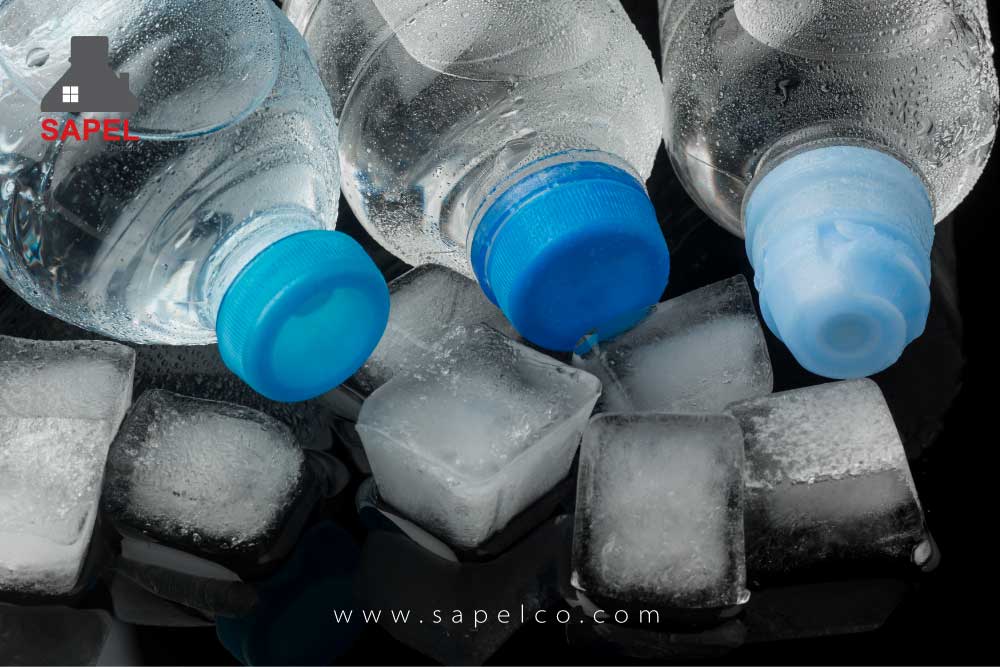
Does Freezing Plastic Water Bottles Really Cause Cancer?
Let's put your mind at rest right away: no, freezing plastic water bottles does not increase your risk of cancer in any way. Leading sc...

Choosing the Right Plastic for Pharmaceutical Packaging
Packaging is an integral, inseparable part of every medicine. This protective system is responsible for maintaining the drug's stabilit...

From Myth to Reality: The “Eco-Friendly” Plastics That Became the Earth’s Silent Killers
Just look around you: today almost every piece of plastic we come across, from ordinary shopping bags to pet waste bags and dry-cleanin...
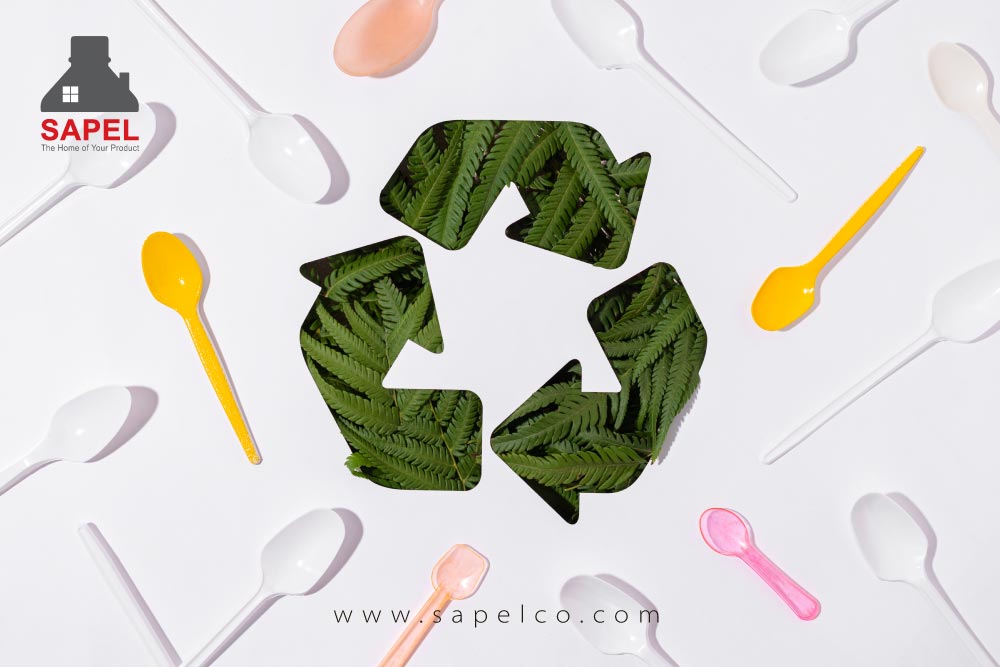
What Is Biodegradable Plastic?
Biodegradable plastics are plastics that, under specific conditions, are broken down by microorganisms into water, carbon dioxide (or m...
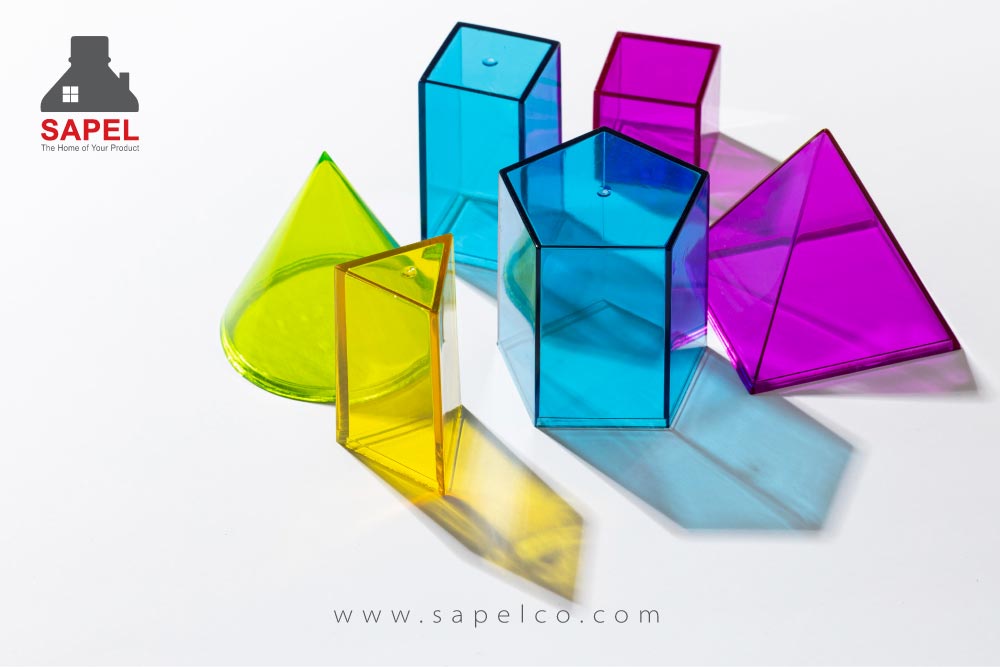
What Is ABS Plastic?
One of the most widely used materials in our industry is ABS plastic. It entered the industrial world in the 1950s and, thanks to its o...