Product Packaging

Printing Methods for Polyethylene Bottles
Polyethylene (especially HDPE and LDPE) is one of the most widely used raw materials for manufacturing plastic jerrycans and bottles, t...

How to Seal Jerrycan and Bottle Caps
Correct packaging and sealing of containers and bottles is one of the most critical stages in producing, storing and supplying food, ph...
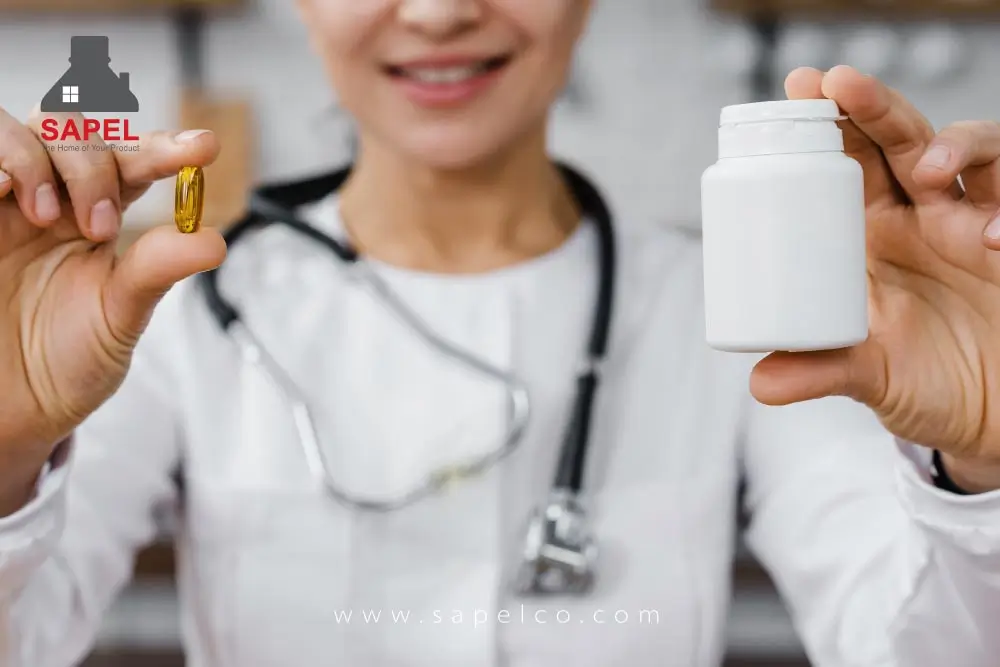
What Standards Do Food and Drug Authorities Set for Plastic Pharmaceutical Containers?
At first glance a plastic jar or bottle may look like a simple container, but in pharmaceuticals the container is considered part of th...

3 Plastics That Withstand Cold and Freezing
It may sound strange, but like any other material, plastics differ in how much cold they can take. Every type of plastic has a standard...

Choosing the Right Plastic for Pharmaceutical Packaging
Packaging is an integral, inseparable part of every medicine. This protective system is responsible for maintaining the drug's stabilit...

Food-Grade vs. Industrial Plastic Jerrycans: A Difference at the Molecular Level
On the outside, a 20-liter plastic jerrycan used for cooking oil may look just like one used for detergents or motor oil, but at the mo...
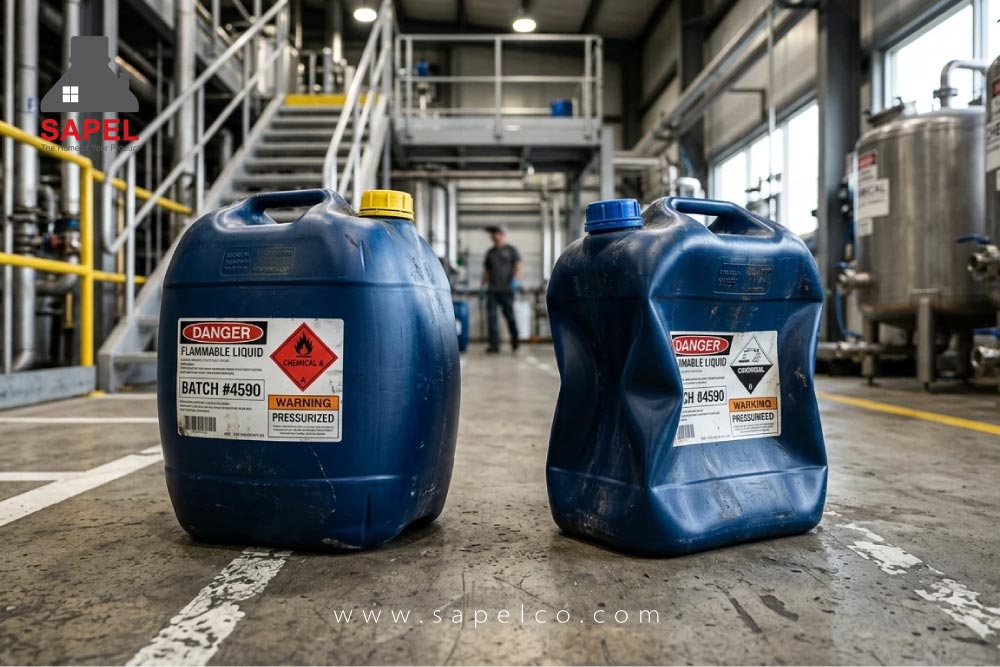
Why Do Plastic Jerrycans Bulge or Collapse? Causes and a Proven Fix
Swelling and Shrinking in Plastic Jerrycans and Bottles
One of the big challenges in packaging chemical, pharmaceutical and agricultur...

Agricultural Pesticide Packaging Standards
Did you know that just a few drops of a concentrated agricultural pesticide leaking out can contaminate thousands of liters of groundwa...

Glass or Polyethylene Pharmaceutical Containers? A Cost-Effectiveness Assessment with the 3P Model
In the pharmaceutical industry, where patient safety and product stability are non-negotiable red lines, choosing the type of drug cont...