

Sapel Blog
Why Do Some Brands Last 50 Years?

The statistics of the business world are ruthless: a huge proportion of companies and startups don’t even get to celebrate their tenth birthday. Yet in this same chaotic, competitive environment, some brands survive for decades and even more than a century. What has kept brands such as Toyota, IBM and Levi’s alive through storms of technological and economic change?
According to authoritative Harvard Business Review (HBR) research on organizational survival, the secret to longevity lies in strategies of adaptability. In this article we look at the key strategies of global brands and use Sapel, a successful 50-year-old Iranian brand, as a case study to dissect the secret of longevity in an age of rapid change.
Part One: The Courage to Say “No” — Strategic Focus
A Global Example: Apple and the Return of Steve Jobs
In 1997 Apple was on the verge of bankruptcy, making dozens of unrelated, confusing products. Steve Jobs’s historic decision on his return was to ruthlessly cut the extra products and focus purely on just 4 key products. This strategic focus saved Apple from certain death.
Case Study: Sapel’s Strategic Decision
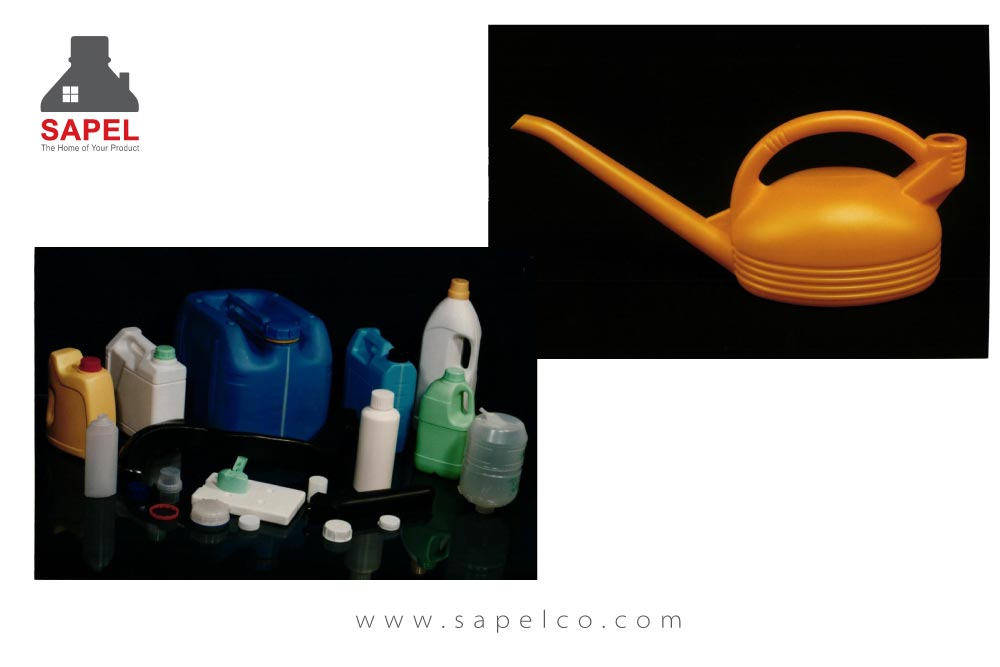
Like many young companies, Sapel started out with a wide range of products, from watering cans and car parts to all kinds of plastic containers. But the company’s turning point came when it found the courage to drop scattered, unprofitable products. With a strategic pivot to the B2B market, Sapel focused on producing industrial containers and packaging for businesses. Specialized technologies such as blow-molded products allowed it to reach the highest level of quality in a market niche. The key lesson here is clear: “less, but better”.
Comparison with Other Brands:
This mirrors the strategy of IBM, which boldly moved out of hardware manufacturing and into cloud services, or Nokia, which over its history went from making paper and rubber to mobile phones and then changed course again.
Part Three: Trust When the Customer Is a Company
The Difference Between B2B and B2C:
In B2C, brands need to build an emotional connection with the end consumer, but in the B2B world emotion gives way to logic. Here, trust comes from consistent quality, on-time delivery and compliance with international standards.
Case Study: Sapel and Its Industrial Customers
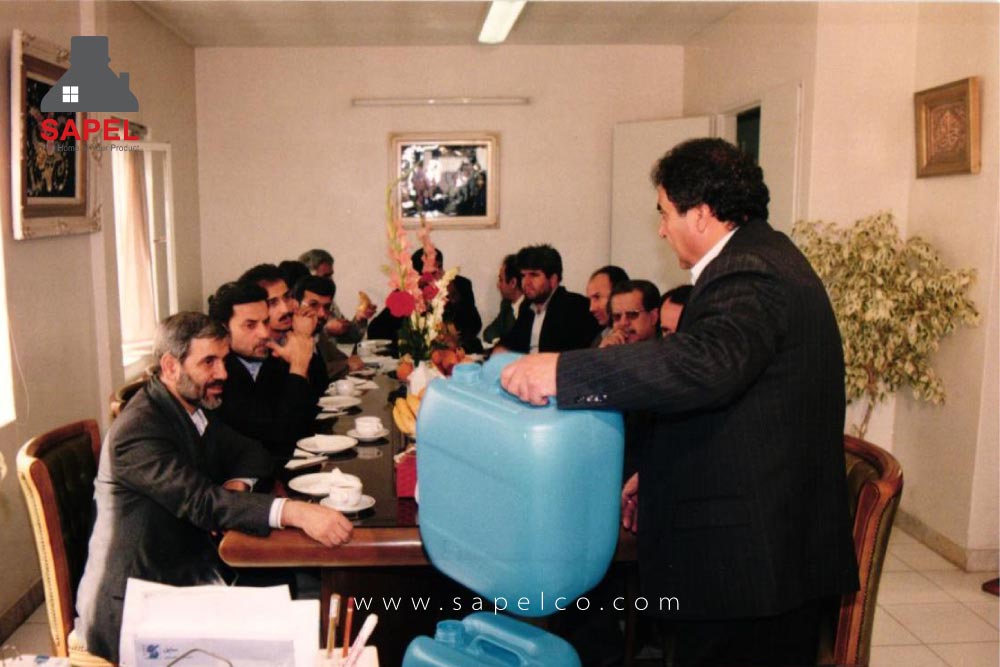
Why do industrial giants such as Behran Oil trust Sapel? The answer lies in 50 years of experience, a flawless quality control system and the ability to produce at very large scale. In industrial-scale production, even supplying components such as bottle caps with the best possible seal and a precise fit to the neck plays a vital role in preventing chemical and oil products from leaking.
This approach is comparable to that of global B2B brands such as 3M (from sandpaper to advanced industrial products) and Siemens (from the telegraph to industrial automation).
Key lesson: “In B2B, your brand = your performance.”
Brands That Failed:
Brands such as Kodak, BlackBerry and Xerox once ruled their markets unchallenged, but despite their fame they faded away because they failed to focus on real needs and their quality slipped against competitors.
Quality Standards
The biggest challenge for Iranian manufacturers is competing with cheap Chinese imports. Sapel’s answer in this unequal battle was not to enter a price war, but to focus intensely on quality and international standards. The result of this strategy is that it has kept major customers who will not risk using poor-quality packaging for their products.
Comparison:
This is the same path Toyota has taken: establishing quality as its main competitive advantage, one that cannot be copied.
Part Five: Longevity = The Ability to Change Smartly
A common mistake:
Many people think: “Old brands succeeded because they didn’t change and stayed true to their traditions.”
The reality:
Lasting brands have survived precisely because they know where the line between stability and change lies. They know what to keep (identity, quality, trust) and what to change (products, markets, technology).
Final case study: Sapel
What Sapel kept was an unwavering commitment to quality and long-term relationships with its industrial customers. What changed was its product portfolio (dropping car parts and watering cans), its complete focus on the B2B model and a dramatic upgrade in its production technology.
Summing up with global examples:
- Toyota: changed its technology but kept its philosophy of quality.
- IBM: changed its target market but kept the trust of the organizations it serves.
- Sapel: changed its products but kept its expertise and commitment to quality for 50 years. To learn more, read Sapel’s history.
Conclusion
Longevity in business is no accident. The key lessons from enduring brands show that the courage to drop the wrong products, choosing gradual innovation over unplanned revolutions, and treating quality as a long-term investment are the main pillars of survival. Smart adaptation to market change is what separates 100-year-old companies from 10-year-old ones.
“Lasting success is not the result of repeating the past; it is the result of continuous learning and strategic choices. That is why some brands are still alive after half a century — not just because of their age, but because of their ability to change smartly.”