
Sapel Blog
Which Disinfectants Are Best for Sensitive Surfaces and Medical Equipment?
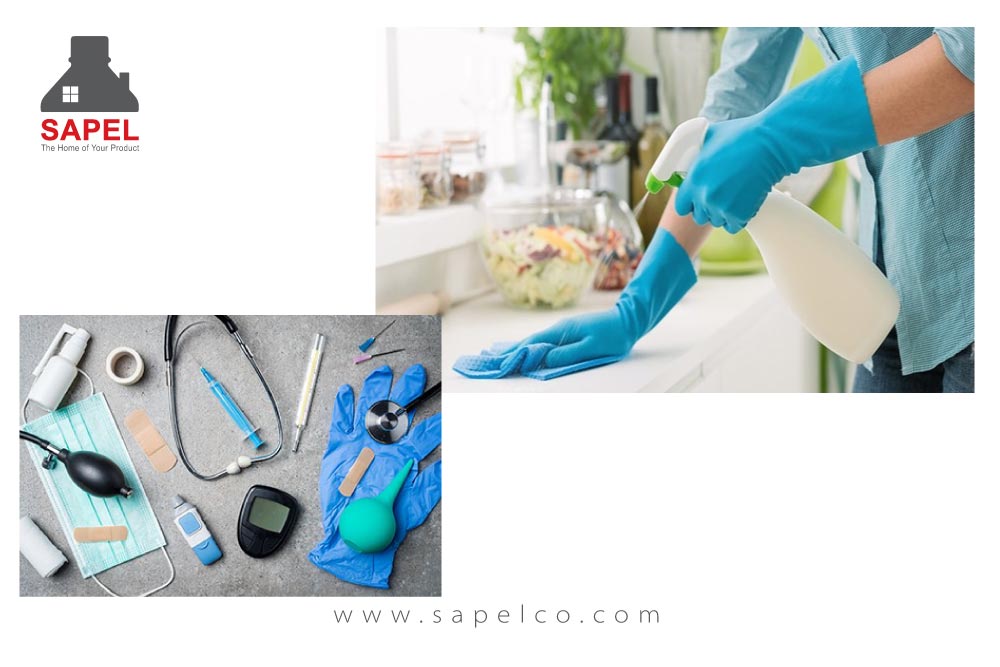
Contrary to the common belief that a disinfectant such as alcohol can be used for everything, some viruses and microbes are not killed by just any disinfectant, and specific substances are needed to get rid of them. Popular beliefs can even be wrong about how effective a disinfectant is: 70% alcohol, for example, kills germs more effectively than 100% alcohol. In this article we look at which disinfectants are best suited to sensitive surfaces and medical equipment.
Hydrogen Peroxide
Hydrogen peroxide can kill bacteria, viruses, fungi and spores when it is concentrated enough, but the concentration matters a great deal, because at high concentrations hydrogen peroxide can be corrosive. It is environmentally friendly, breaks down safely, and is used to disinfect lenses, endoscopes and even fabrics.
Peracetic Acid
Peracetic acid is a widely used chemical sterilant. It disinfects equipment quickly without leaving any residue and is widely used to disinfect dental and surgical instruments. Bear in mind, however, that it is very expensive and corrosive, and has a strong, pungent smell.
Chlorine
Chlorine and chlorine compounds can kill bacteria, viruses, fungi, mycobacteria and spores. They are widely used to disinfect all kinds of surfaces and dental instruments and to clean up blood and bodily fluids. Unlike peracetic acid they are cheap, and they are very powerful, but they can damage metal and fabric and have a strong smell.
Formaldehyde
Formaldehyde can kill almost all microorganisms; it penetrates well and is very powerful. However, it is toxic and carcinogenic, and is used to disinfect heat-sensitive instruments and rooms.
Types of Alcohol
Alcohols are the most familiar disinfectants of all. They come in several types, such as ethanol and isopropanol, and are widely available, but they are not very practical for medical and surgical materials; they are mostly used to disinfect external surfaces, skin, stethoscopes, thermometers and scissors. Alcohols are effective against bacteria, fungi and enveloped viruses, but they have no effect on spores, they are flammable and they evaporate very quickly.
Conclusion
In the end, a wide range of disinfectants can be used depending on your budget and the type of use, and each of them, of course, has its own advantages and disadvantages.