Sapel Blog
What Is Plastic Waste? Types, Impacts and Plastic Waste Management Methods
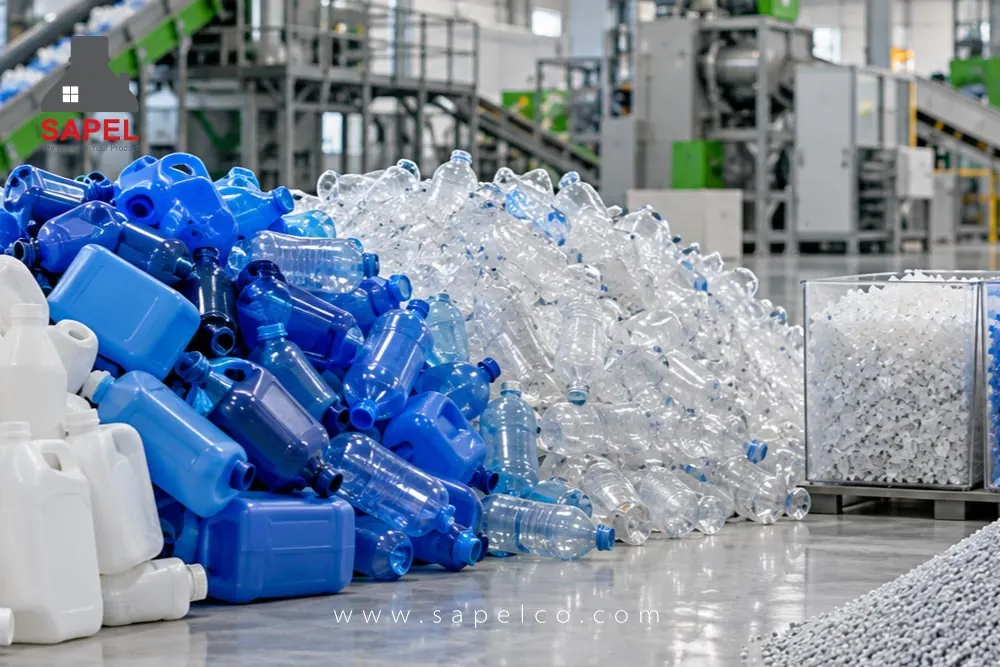
Plastic waste is any plastic material that has been thrown away after industrial production or end use. Of the roughly 350 million tonnes of plastic waste the world produces each year, only about 9 percent is recycled; most of it is landfilled, burned or leaked into nature. In this article we look at the scale of the crisis, the types of plastic waste, its effects on the environment and human health, and the five main ways plastic waste is managed.
What Is Plastic Waste?
Plastic waste is any plastic material (organic, or synthetic and derived from polymers, resins or cellulose) that has been discarded after industrial processing or after use by end consumers. It can include single-resin or multi-material products used in manufacturing, construction, transport and, above all, packaging. Plastic pollution covers every negative effect, leak and piece of litter released across the life cycle of these products, from unmanaged waste in uncontrolled dumps to the tiny particles and microplastics that get into soil, water and air.
The Scale of the Global Plastic Waste Crisis
Plastic pollution has become one of the most severe environmental crises in the world. Global plastic production has reached around 430 to 460 million tonnes a year, and plastic waste generation has risen to more than 350 million tonnes a year. More worrying still, about two thirds of these products have a short life and are designed to be used only once.
Of all the plastic waste generated worldwide:
- only about 9 percent is actually recycled;
- about 19 percent is incinerated;
- about 50 percent goes to sanitary landfills;
- and the remaining 22 percent is released uncontrolled into the environment, rivers and oceans, or burned in the open.
Every day, the equivalent of more than 2,000 garbage trucks of plastic enters the oceans and other aquatic ecosystems, a serious threat to the health of the planet.
Types of Plastic Waste
By thermal behaviour and recyclability
For waste management and recycling, plastic waste falls into two main groups: thermoplastics and thermosets. Thermoplastic waste makes up most municipal and industrial plastic waste and, because of its molecular structure, can be melted again, reshaped and mechanically recycled. The main types in this group are:
- Polyethylene terephthalate (PET): in bottles and textile fibres;
- High-density polyethylene (HDPE): in detergent containers and bags;
- Polyvinyl chloride (PVC): in pipes and packaging;
- Low-density polyethylene (LDPE): in bin bags and films;
- Polypropylene (PP): in food containers and straws.
Thermoset waste, such as polyurethanes, is different: after it first sets it forms irreversible cross-links and cannot be melted or reshaped again. This makes mechanical recycling very difficult, so thermosets usually end up in landfill or incineration.
Municipal waste by use
The US Environmental Protection Agency (EPA) divides the plastic in municipal solid waste into three main groups based on product life and use:
- Containers and packaging: plastic bags, bottles, disposable containers and wraps used to hold consumer goods. They make up the largest share of municipal plastic waste and are usually thrown away right after use.
- Non-durable goods: products with a useful life of less than three years, such as disposable plates and cups, bin bags, synthetic clothing and disposable nappies.
- Durable goods: waste from products that last more than three years, such as plastic parts of household appliances, furniture, synthetic carpets and electronic waste (e-waste).
Contaminants such as food residue, soil and pesticides on agricultural plastics, or metal in discarded cables, make sorting and recycling this waste even harder.
Microplastics: an emerging form of plastic waste
Microplastics are a hazardous form of fragmented plastic waste created when larger plastic items break down under sunlight (UV radiation), physical abrasion and weathering. These microscopic particles also enter the environment from tyre wear, the washing of synthetic clothing and spills of industrial resin pellets. Because they are so small, microplastics can reach soil, groundwater, water supply systems, table salt and food. Besides their physical hazards, they can carry toxic chemical additives (such as phthalates and flame retardants) and microbial biofilms into the food chain of wildlife and people. We cover this in more depth in our article on the microplastics crisis.
Environmental and Health Impacts
Damage to marine ecosystems and wildlife
Plastics make up more than 85 percent of all marine litter and are the most persistent and harmful pollutants in the oceans. More than 11 million tonnes of plastic waste enter aquatic ecosystems and the oceans every year. This huge volume of waste has polluted sensitive marine habitats from the shoreline to the deepest points of the ocean, such as the Mariana Trench.
Wildlife is badly affected, and plastic fragments are swallowed by a wide range of animals. Research has found plastic in the digestive tracts of every species of sea turtle and of nearly half of the seabird and marine mammal species studied. Swallowing this indigestible material leads to blocked digestive tracts, suffocation, starvation and the death of more than 1.5 million marine animals every year. Abandoned fishing gear (such as ghost nets) and floating plastic also carry toxic, water-repellent pollutants through the seas.
Soil and groundwater toxicity
Most plastic products contain chemical additives that improve flexibility, durability and heat resistance, including plasticisers (such as phthalates), heat stabilisers (such as lead and cadmium compounds), bisphenol A (BPA) and flame retardants (such as brominated compounds and antimony oxide). When plastic waste is left in soil or in unsanitary dumps, weathering and chemical breakdown cause these toxic substances to leach into the ground.
These substances change the acidity and alkalinity of the soil, reduce the diversity of beneficial soil microorganisms and damage its physical structure. Leachate carrying these additives, together with microplastics, seeps into groundwater and seriously lowers the quality of drinking and irrigation water.
Risks to human health
The environmental effects of plastic waste also threaten human health directly. Microplastics and chemicals released from plastics reach the human food chain through the washing of fibres, the breakdown of litter and their presence in drinking water, sea salt and food. Substances such as phthalates and bisphenol A act as endocrine disruptors: they interfere with hormones and have been linked to fertility problems in women and men, birth defects, a weakened immune system and some cancers.
Open burning of plastic waste also releases highly toxic compounds into the air, such as dioxins, furans, mercury, volatile organic compounds and polychlorinated biphenyls. Breathing these gases causes serious respiratory problems in local communities and adds to air pollution, acid rain and greenhouse gas emissions.
Plastic Waste Management Strategies
Plastic waste is managed with five main approaches, each suited to a particular kind of waste.
1. Mechanical recycling
Mechanical recycling is one of the most established ways to turn plastic waste into secondary raw material and valuable products. It is used mainly for thermoplastics and is carried out in 6 key steps:
- Collecting the waste
- Separating and sorting it by resin type
- Washing it to remove contaminants and residue
- Shredding
- Identifying the polymers more precisely
- Compounding and pelletising into granules
The quality of the first two steps depends above all on how consumers behave: sorting waste properly at the start makes the recycling plant’s job much easier.
- Advantages: lower carbon dioxide and pollutant emissions, savings in fossil fuels and energy, and less landfill space taken up.
- Limitations: the quality of recycled plastic drops with every cycle (downcycling), until the material can no longer be recycled mechanically and has to go to other routes.

How packaging design helps mechanical recycling
Much of the success of mechanical recycling is decided before a product is even made. A container made from a single resin, with a label and cap that come off easily and walls that are no thicker than they need to be, is easier to sort and gives better-quality granules. As a manufacturer of HDPE plastic bottles, Sapel makes its containers from mono-material HDPE, one of the most widely used and most recyclable plastics. In plastic injection mold manufacturing and blow-mould design, part weight can also be optimised so the same strength is reached with less raw material and less waste.

2. Pyrolysis and chemical recycling
Pyrolysis is thermal decomposition in the absence of oxygen. It breaks long polymer chains and turns plastic waste into liquid hydrocarbons, fuel gases and petrochemical feedstock. It is divided by process temperature into low-temperature, medium-temperature (600 to 800 °C) and high-temperature (above 800 °C) pyrolysis.
- Advantages: crude oil and renewable fuels can be recovered from plastic waste; it handles much of the mixed and contaminated plastic that is hard to recycle mechanically; and it can return polymers to their original monomers with no loss of quality.
3. Bioremediation and biodegradation
Bioremediation is an advanced branch of biotechnology that uses microorganisms (bacteria, fungi and algae) and their enzymes to detoxify plastics and break down their structure. Microbial enzymes such as laccases, peroxidases, hydrolases and oxygenases lower the activation energy, cut the tightly packed polymer chains and convert them into oligomers and monomers, which cells finally consume and turn into water, carbon dioxide or methane.
The discovery of bacteria such as Ideonella sakaiensis, which can biodegrade polyethylene terephthalate (PET), has opened new possibilities for the biological management of waste. Another approach is to design materials that are made to break down from the start; we write more about them in our article on biodegradable plastic.
4. Incineration with energy recovery, and sanitary landfill
- Incineration with energy recovery (waste-to-energy): complete combustion of plastic waste in the presence of oxygen to produce heat and electricity. It greatly reduces the volume of waste, but if it is not tightly controlled it releases toxic gases (dioxins and furans), air pollutants and ash containing heavy metals.
- Sanitary landfill: the most common and cheapest traditional method, which unfortunately takes in nearly 50 percent of the world’s plastic waste. Plastics last for decades to centuries in landfill, toxic leachate seeps into groundwater, and greenhouse gases such as methane are produced; these are the main problems of this method.
5. The circular economy and international agreements
To curb the pollution crisis, the United Nations Environment Programme (UNEP) has proposed three market shifts, “Reuse, Recycle and Reorient and diversify”, which could cut global plastic pollution by up to 80 percent by 2040.
At the international level, the Basel Convention plastic waste amendments introduced new entries such as Y48 and A3210. They make cross-border shipments of hazardous, contaminated and mixed plastic waste subject to the prior informed consent (PIC) procedure, to stop waste being exported to developing countries.
Conclusion
Plastic waste is one of the biggest environmental challenges in the world today, and no single method can solve it. Mechanical recycling is the best option for clean, single-material plastics; pyrolysis and chemical recycling suit mixed and contaminated waste; bioremediation is the most promising research route; and incineration and landfill should be the last resort. Alongside these methods, designing recyclable packaging from the production stage onwards plays a big part in reducing waste.
Frequently Asked Questions About Plastic Waste
What percentage of the world’s plastic waste is recycled?
Only about 9 percent. About 19 percent is incinerated, nearly 50 percent is landfilled, and 22 percent is released uncontrolled into nature or burned in the open.
What is the best way to manage plastic waste?
For clean, single-material plastics, mechanical recycling is the cheapest and least polluting method. Mixed and contaminated plastics that cannot be recycled mechanically go to pyrolysis and chemical recycling, and landfill should be the last resort.
What are microplastics?
Microplastics are very small plastic particles formed when larger pieces break down under sunlight and abrasion, or released from sources such as tyre wear and washing synthetic clothes. They can get into water, soil and the food chain.
Why does the quality of recycled plastic decrease?
Each time plastic is melted and shredded, some polymer chains get shorter and contaminants get in. This gradual loss of quality is called downcycling, which is why plastic cannot be mechanically recycled an unlimited number of times.