
Sapel Blog
The Microplastics Crisis
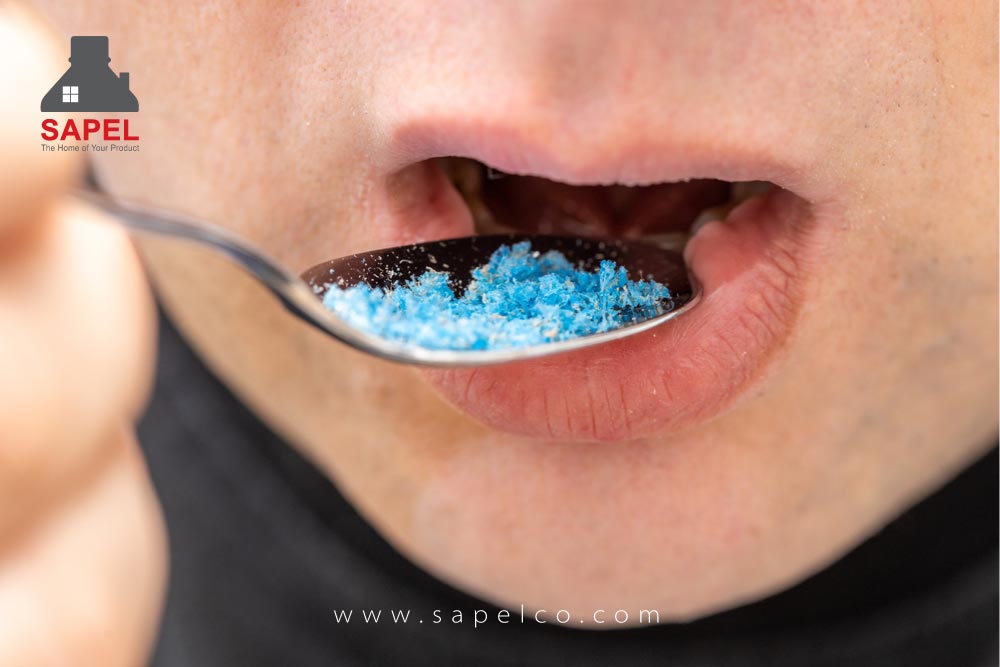
Until now we may have thought of plastic pollution as nothing more than a sad picture of a dirty beach, but for a strategic manager that picture should translate into “financial loss” and “business risk”. Today the Middle East is at the center of one of the world’s biggest environmental and economic crises.
The Mediterranean Sea, on which much of our region’s trade depends, takes in a huge amount of plastic every year. To grasp the scale of the disaster, imagine thousands of plastic bottles being dumped into the region’s waters every minute. But what has been overlooked in management think tanks is the economic side of the story: this level of pollution costs the economies of the region’s countries millions of dollars every year.
For procurement and supply chain managers, these figures carry a clear message: strict regulations, heavy taxes on non-standard packaging and fundamental changes in how suppliers are chosen are much closer than corporate calendars predict.
An Invisible Threat on the Production Line: Microplastics Aren’t Just in the Sea
Many technical managers assume microplastics are only a problem for the oceans, but new research shows that “factory air” is a new minefield too. In industrial settings that handle fibrous and plastic materials, poor ventilation and low-grade raw materials lead to particles being suspended in the air, where they directly target workers’ respiratory systems.
Polyethylene, with annual production of 100 million tonnes, and polypropylene, with 80 million tonnes, are the most widely used polymers in the packaging and medical industries. But not all polyethylene is created equal.
The Challenge of “Secondary Microplastics” in Storage
The main risk for procurement managers lies in the quality of the raw materials. If the packaging you choose is made from low-quality polymers or a non-standard production process (without precise temperature and pressure control), the finished product suffers from wear and premature brittleness during transport and storage. The result? Secondary microplastics are produced before the product even reaches the consumer. In other words, before it is even sold, your product is polluting the environment and possibly its own contents.
Health Risks and Legal Liability: Why Should Managers Worry?
If environmental arguments are not enough to change your purchasing strategy, let’s look at the legal and health risks that can destroy a brand’s future.
The Trojan Horse Analogy: Breaching the Body’s Fortress
To better understand how microplastics behave in the human body and in the supply chain, think of them as a “Trojan horse”. These particles look neutral and harmless and easily get into cells or products. But they carry toxic chemicals (such as bisphenol A and phthalates) and harmful bacteria inside them. Once they have breached the body’s defenses, these harmful agents are released and start causing damage from within.
New medical research has revealed a frightening truth:
- Reaching the brain: microplastics can cross the blood-brain barrier, causing neuroinflammation and a higher risk of diseases such as Alzheimer’s and Parkinson’s.
- A threat to the heart: polyethylene particles found in arterial plaques are directly linked to a higher risk of stroke and heart attack.
- Getting into medicines: even the pharmaceutical industry is not safe; microplastics can break away from poor-quality packaging and enter the patient’s body.
A Legal Tsunami Is Coming
History is repeating itself. Just as asbestos was once seen as a magic material and later brought a wave of bankruptcies through lawsuits, companies that know today about the risks of microplastics in their packaging and do nothing will face heavy lawsuits in the near future. Risk managers should know this: today’s silence is tomorrow’s penalty.

Red Alert in the Middle East: What Does Local Data Say?
The microplastics crisis is not a global problem we can blame on other countries; it is in our own backyard:
- Iran: significant amounts of microplastics have been found in samples of treated municipal water in Tehran and even in school dust. This means plastic particles have entered vital urban infrastructure.
- Lebanon: on the eastern Mediterranean coast the situation is so severe that even packaged table salt contains high levels of microplastics, which go straight into families’ diets.
- The Persian Gulf and neighboring seas: studies of the region’s marine life and fish have shown that, because they feed on contaminated sources, microplastic particles are present in their tissues and eventually make their way back into the human food chain.
This data shows that the food and supply chain in the Middle East is heavily contaminated, and that demand for “safe packaging” will soon become a legal requirement.
A Way Out of the Crisis: Sapel’s Role in Responsible Production
Eliminating plastic completely, especially in medical and packaging industries that need isolation from the environment, is impossible for now. So the only practical solution is “proper management” and “responsible production”. This is where choosing the right business partner matters.
Sapel is not just a plastic container manufacturer; we are your strategic partner in reducing supply chain risk. Our approach rests on three principles:
1. Polyethylene Engineered Against Wear
At Sapel we are aware of the scientific fact that polyethylene is one of the most common types of microplastic in the environment. That is why, unlike traditional manufacturers, we focus on engineered grades and precise production processes. Our containers have a more cohesive molecular structure, which greatly increases their resistance to physical wear and chemical breakdown. The result? Far fewer secondary microplastics over the product’s lifetime.
A special recommendation for demanding managers: you can see this level of engineering and strength in Sapel’s new-design 20-liter jerrycan, a product that has raised the bar for safety and strength in the industry.
2. Scientific Awareness and Product Safety
We know the risks of the “fragmentation” caused by low-quality materials. At Sapel, quality control goes beyond the product’s appearance: we guarantee the stability of the polymer to make sure your packaging does not become that toxic “Trojan horse” for your customers. This is especially vital for cosmetic and personal care products that come into direct contact with the skin.
Safe in contact with skin: to ensure the health of the end consumer, take a look at the safe, ergonomic design of our deodorant roll-on containers.
3. Keeping Pace with Future Regulations
Countries in the region are drafting strict regulations for manufacturers. Working with Sapel means getting ahead of these regulations. Our products are in line with the latest environmental standards and insure your brand against sudden regulatory changes.
Product variety, guaranteed standards: to see a wide range of containers, all compliant with the latest production standards, we suggest visiting our plastic bottles category and finding the right option for your production line.
Conclusion: Choosing Between a Cost and an Investment
The microplastics crisis in the Middle East is no longer just an environmental challenge for activists; it is a direct threat to your “business continuity”.
Procurement managers today are at a crossroads: keep buying cheap, low-quality packaging that brings legal and health risks, or move toward “safe and sustainable purchasing”.
Choosing the right packaging is an investment in your brand’s reputation.
“With Sapel, your packaging is part of the solution, not part of the pollution.”
For advice on choosing safe polyethylene containers that meet the latest standards, contact Sapel’s technical and engineering department.