Sapel Blog

What Is EDM (Spark Erosion Machining)?
Electrical discharge machining (EDM), also known as spark erosion, is a subtractive, non-traditional manufacturing method (used, for ex...
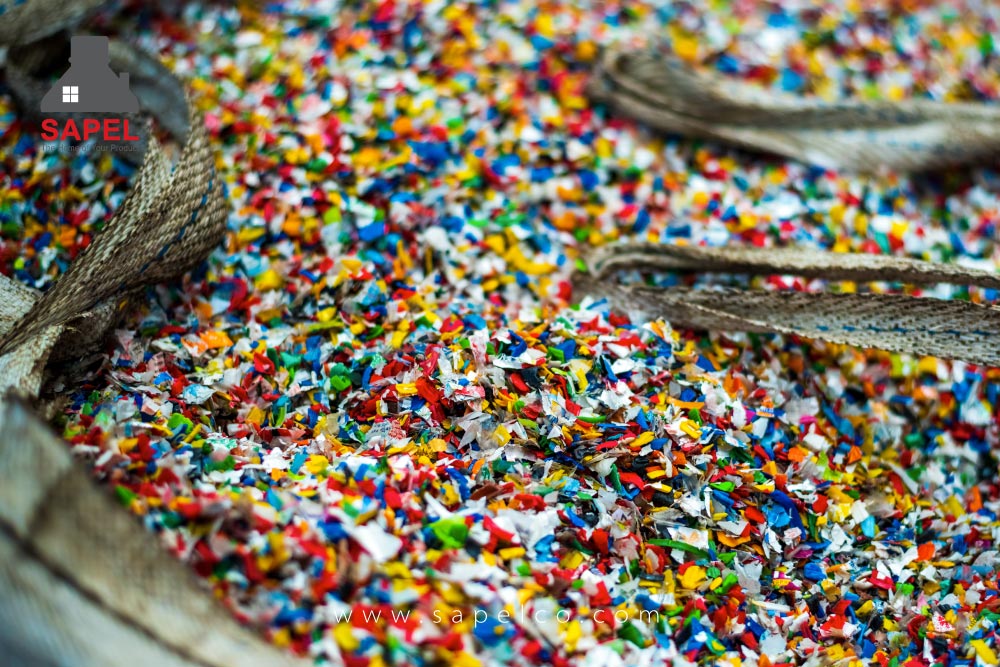
From Myth to Reality: The “Eco-Friendly” Plastics That Became the Earth’s Silent Killers
Just look around you: today almost every piece of plastic we come across, from ordinary shopping bags to pet waste bags and dry-cleanin...
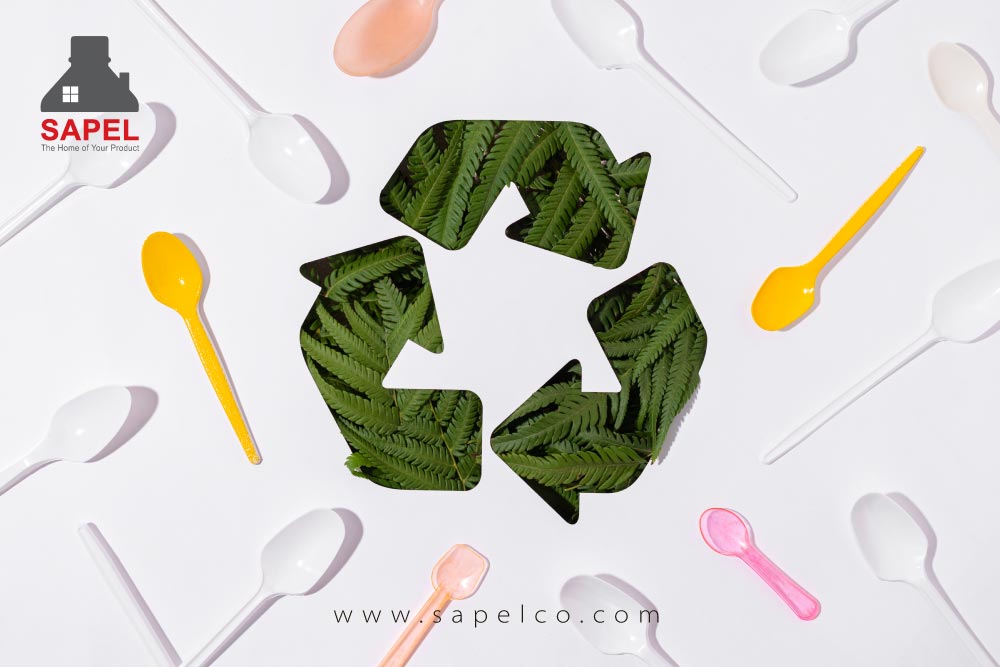
What Is Biodegradable Plastic?
Biodegradable plastics are plastics that, under specific conditions, are broken down by microorganisms into water, carbon dioxide (or m...
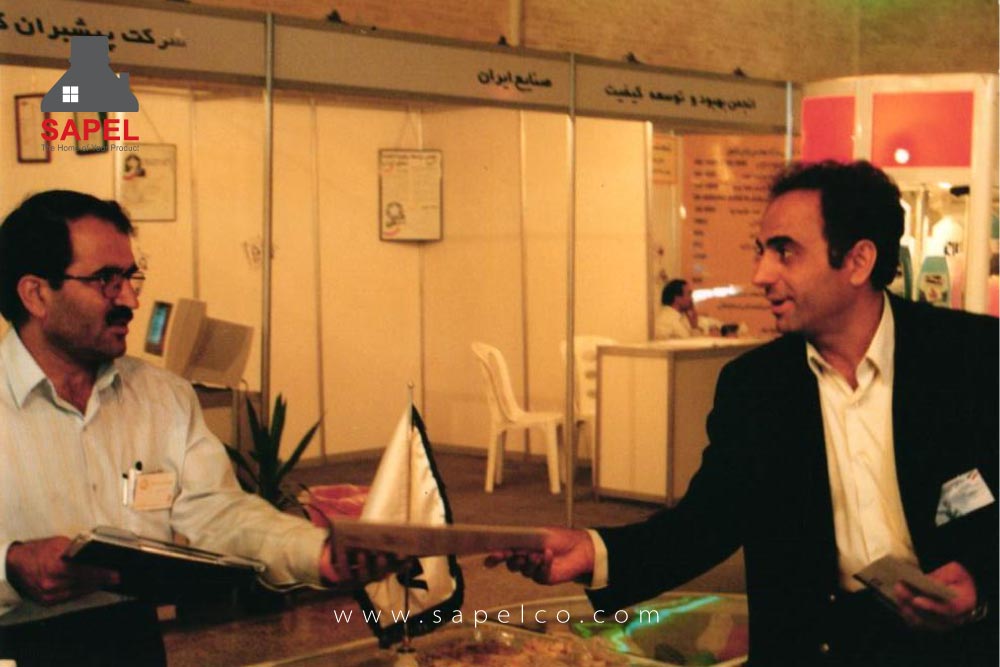
Why Do Customers Trust Long-Established Brands?
In today's highly competitive business world, customers' buying decisions are more closely tied to emotion and psychology than ever bef...
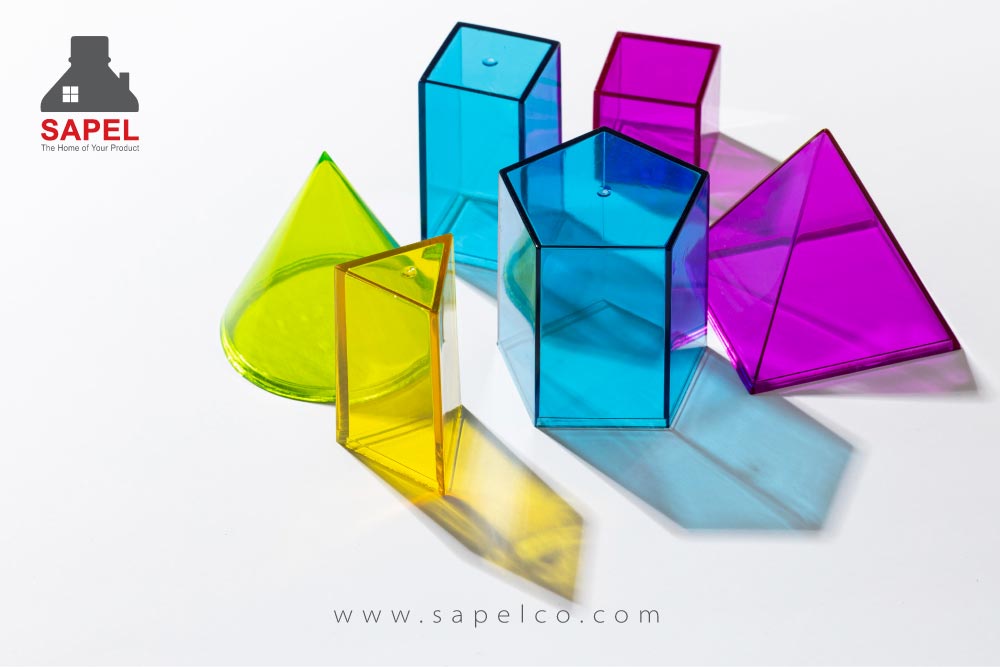
What Is ABS Plastic?
One of the most widely used materials in our industry is ABS plastic. It entered the industrial world in the 1950s and, thanks to its o...
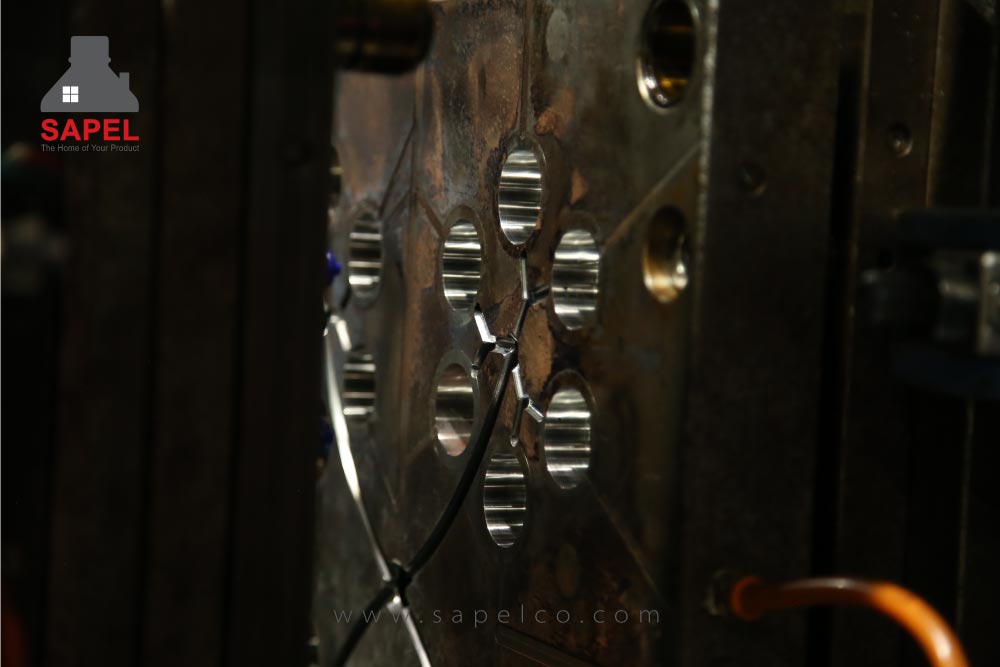
What Is a Mold Cavity?
I always tell Sapel's customers that mold making is like building a 3D puzzle out of steel. When we want to turn your idea into a real ...
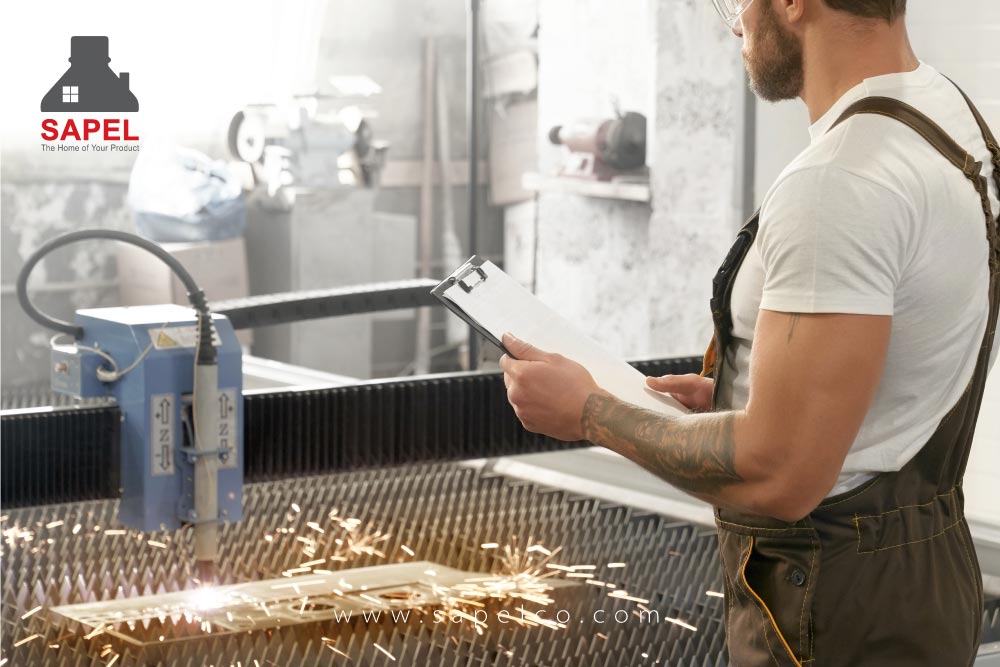
What Is Wire EDM Cutting and How Does It Work?
You may be interested to know that in the past, when we wanted to shape hardened steel to make molds for plastic production, drills, cu...
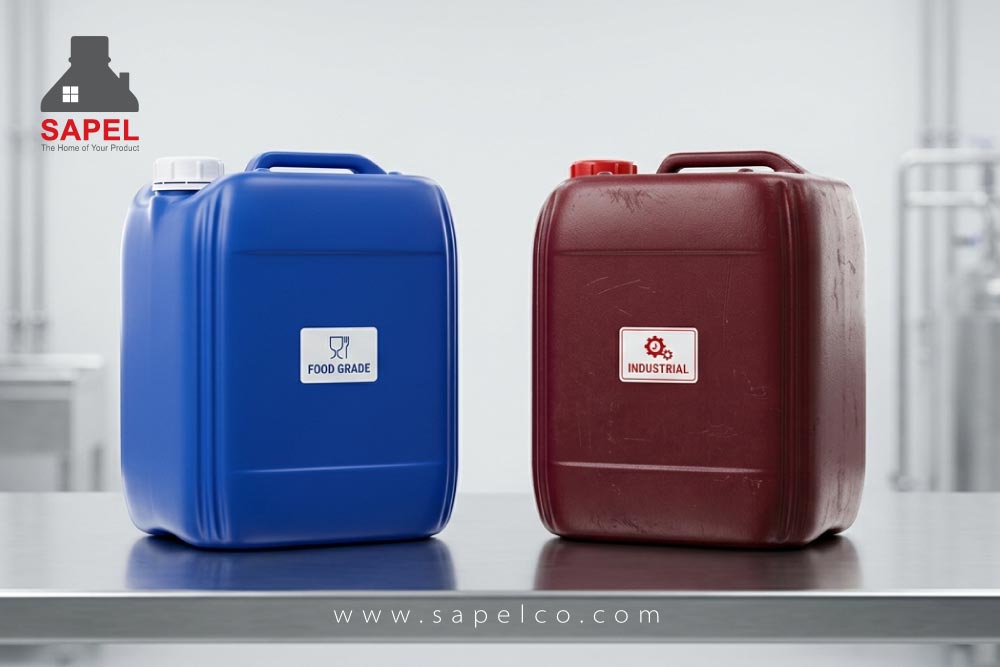
Food-Grade vs. Industrial Plastic Jerrycans: A Difference at the Molecular Level
On the outside, a 20-liter plastic jerrycan used for cooking oil may look just like one used for detergents or motor oil, but at the mo...
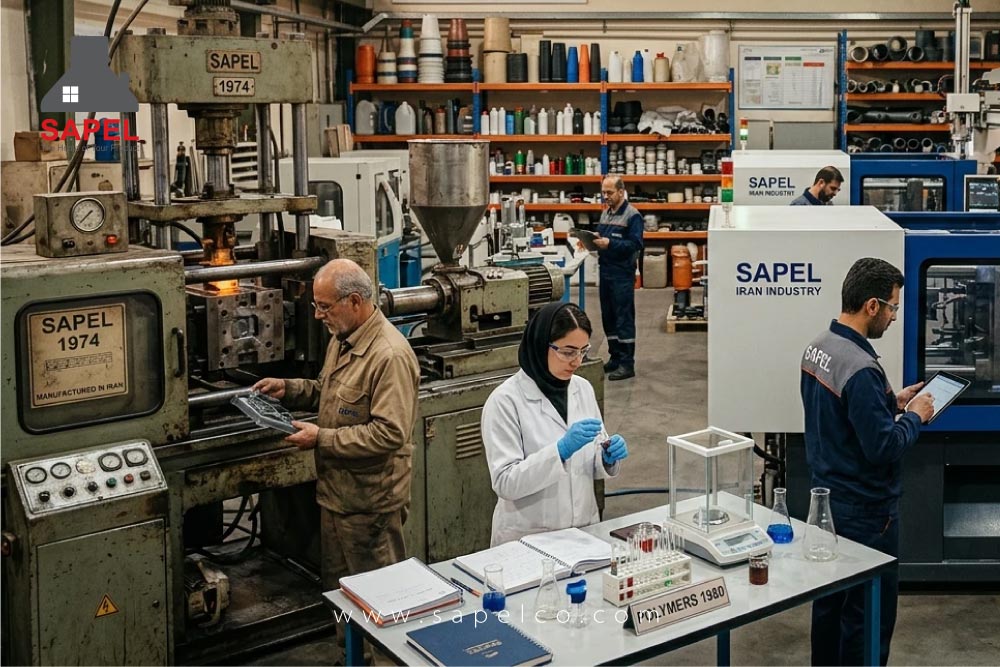
50 Years of Change in Iran’s Plastics Industry: A Look at Sapel’s Experience
Over the past half-century, Iran's plastics and polymer industry has gone from being entirely dependent on imports to becoming one of t...
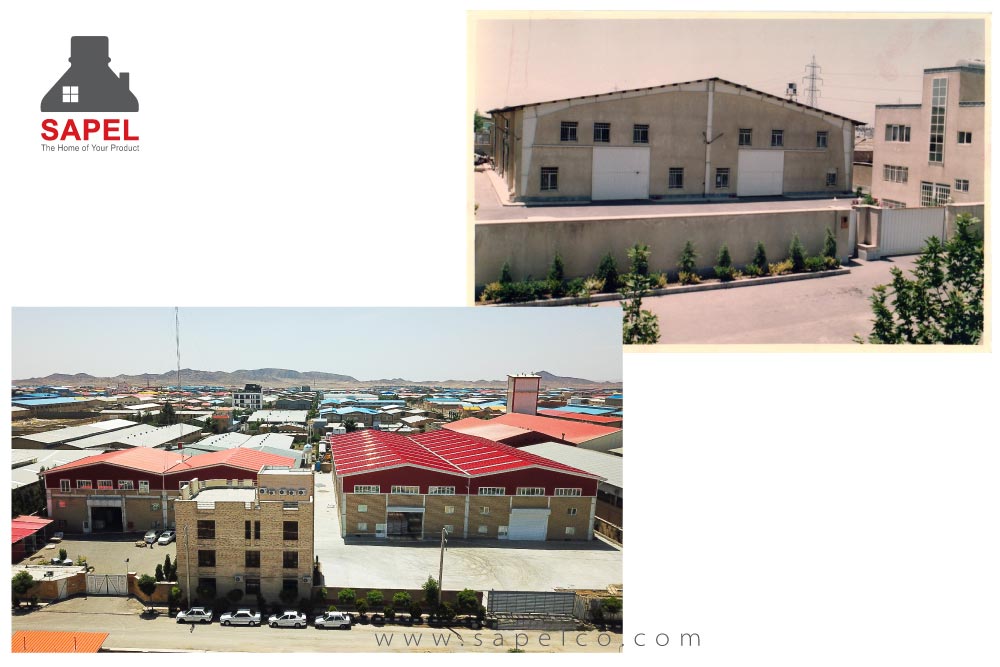
Why Do Some Brands Last 50 Years?
The statistics of the business world are ruthless: a huge proportion of companies and startups don't even get to celebrate their tenth ...