
Sapel Blog
What Is Biodegradable Plastic?
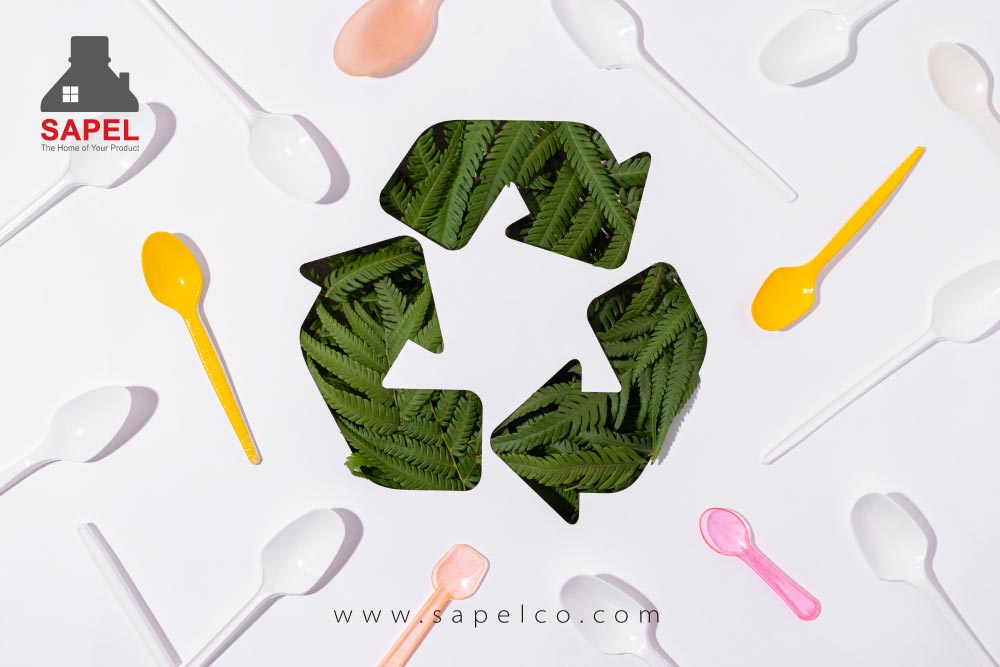
Biodegradable plastics are plastics that, under specific conditions, are broken down by microorganisms into water, carbon dioxide (or methane) and biomass. These plastics are very versatile in industrial production: they can be made into packaging foams or processed by extrusion and injection molding on standard or modified machinery, so they can be used to make all kinds of packaging containers, 20-liter jerrycans and plastic bottles. Various fillers, such as wood flour, lime, clay or waste paper, can also be added to change the appearance or particular properties of these materials.
Depending on their structure and the origin of their raw materials, these plastics fall into two main groups:
- Bioplastics: plastics whose building blocks come from renewable raw materials.
- Petrochemical plastics with biodegradable additives: oil-based (petrochemical) plastics to which biodegradable additives, such as bacteria, have been added to boost and speed up their biodegradation.
These plastics are an ideal solution for short-term and single-use applications, especially food packaging, disposable containers, agriculture and horticulture, and organic waste collection and sorting systems.

How Do Bacteria Survive the High Temperatures of Plastic Production?
Why Add Bacteria to Plastic in the First Place?
There are two remarkable reasons for adding the bacterium Bacillus subtilis to plastic:
- Ordinary plastics remain in nature for centuries and harm the environment. But scientists place these bacteria inside the plastic in a “hibernating“ state. As long as you are using the plastic, the bacteria stay fast asleep and do nothing. But as soon as the plastic reaches the end of its useful life and you throw it away, once it comes into contact with soil, moisture or compost the bacteria wake up and start secreting enzymes that eat the plastic from the inside like food and break it down completely into harmless, natural substances.
In one type of living plastic, for example, this process made the plastic break down completely in just 6 days, without leaving behind a single particle of harmful microplastic. In another type of plastic (such as polyurethane), the bacteria were able to break down and disintegrate more than 92% of the plastic in compost within 5 months.
- You might think adding bacteria to plastic would make it weaker or softer, but the opposite is true! These bacteria act like tiny, tough bricks (living fillers). Surprisingly, they reinforce the plastic’s mechanical properties, increasing its tensile strength by up to 30% and its toughness (its resistance to impact and tearing) by up to 37%.
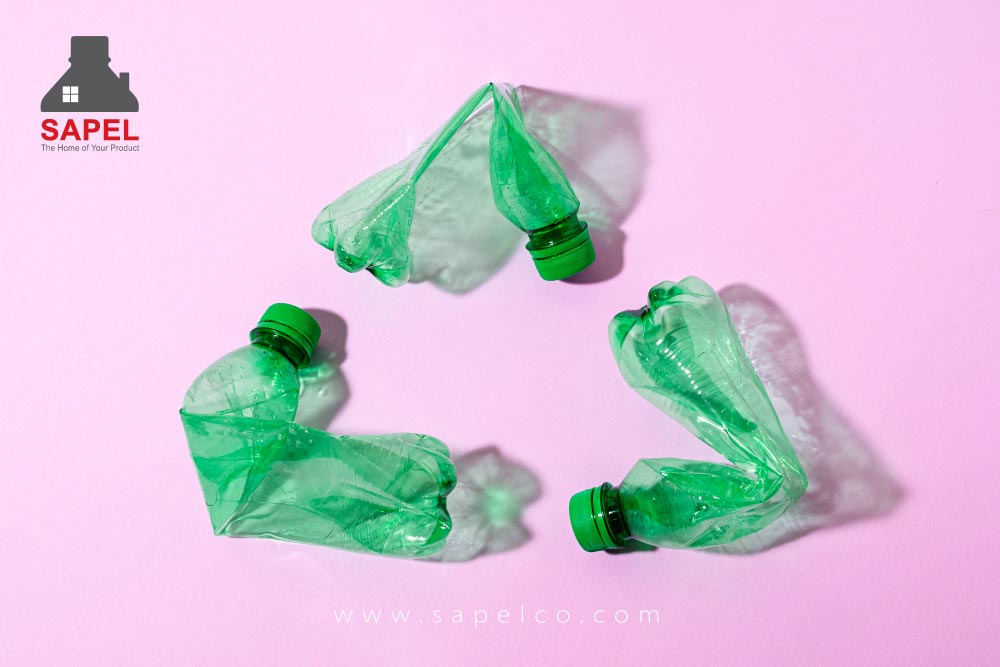
How Does the Bacterium Survive the Melting Temperature of Plastic?
The machines in plastics plants such as Sapel’s run at very high temperatures (above 130 °C), hot enough to kill any living thing instantly. But this bacterium survives the inferno thanks to two tricks:
- A natural shield called a spore: This bacterium has a fascinating natural ability: when conditions become harsh and dangerous, it packs itself inside a very tough, multi-layered protein armor and drains all the water from its body to protect its genes and DNA.
- Training the bacteria like athletes in the lab (directed evolution): Even with this natural armor, ordinary spores only survive up to about 100 degrees (boiling water) and are quickly destroyed at the 130-plus degrees of a plastics plant. To solve this problem, scientists used a method called “adaptive laboratory evolution” (ALE). They exposed the bacteria to the intense heat of boiling water over and over again in repeated cycles, each time breeding the strongest survivors, just like training a sports champion.
This tough heat training triggers specific genetic changes and mutations in the bacteria that increase their heat resistance 17.7-fold. Thanks to these remarkable mutations, these athlete bacteria can survive the extremely hot processing in plastic injection molding machines at 135 °C and stay ready to carry out their final task, breaking down the plastic, at the right time.
The Outlook for Smart Plastics
The future of materials science and waste management no longer lies in traditional methods such as landfilling or incinerating waste; it belongs to smart, programmable plastics. By combining biology and industry, we can make plastics that take responsibility for their own end of life and no longer pollute the environment for centuries.
In this revolutionary approach, evolved bacteria can stay in a hibernating state inside the hard structure of the plastic for years without water or food, doing no harm at all to its mechanical properties or performance while it is in use. But as soon as the product reaches the end of its useful life and the plastic is placed in compost, the sleeping bacteria sense the moisture and nutrients and wake up. Acting as living catalysts, they begin secreting polymer-degrading enzymes and break the plastic down from the inside; tests show that these living plastics can fully break down more than 92% of their mass in just 5 months in compost. This achievement paves the way for a new generation of smart plastics that can act as living sensors, respond to changes in their environment and, in the end, return to nature without leaving behind a single particle of harmful microplastic.