

Sapel Blog
From Myth to Reality: The “Eco-Friendly” Plastics That Became the Earth’s Silent Killers
Just look around you: today almost every piece of plastic we come across, from ordinary shopping bags to pet waste bags and dry-cleaning covers, proudly displays misleading claims such as “100% degradable“ or “eco-friendly“. The idea behind these claims sounds very exciting at first: a single-use plastic that, instead of lasting thousands of years in nature, completely disappears within a few decades!
But the truth behind these attractive green shop windows is far darker than what we are shown. The reality is that behind all these appealing claims lies a big marketing trick called “greenwashing“. Many of these products are in fact ordinary petroleum-based plastics that simply carry misleading labels such as “degradable” or “compostable”, while in the real world they never fully break down, and their claim to be biodegradable is nothing more than a sales gimmick.
What Is “Oxo-Degradable” Plastic?
“Oxo-degradable“ plastics may look like a technological miracle, but in fact they are no different from ordinary, conventional plastics made from oil. The trick is very simple: when making this type of plastic, manufacturers add small amounts of metal salts (such as the transition metals iron or nickel) as additives to the raw plastic film material.
The story begins when the plastic bag or dry-cleaning cover is discarded after use and left in nature, exposed to sunlight (ultraviolet rays) and oxygen in the air. The metal salts are activated and act like sharp chemical scissors: they speed up oxidation and start cutting the long polymer chains of the plastic into pieces. This chemical process is so fast that in just 12 months the plastic’s solid structure falls apart, and the film tears into shreds before our eyes and eventually disappears.
Just look around you: today almost every piece of plastic we come across, from ordinary shopping bags to pet waste bags and dry-cleaning covers, proudly displays misleading claims such as “100% degradable“ or “eco-friendly“. The idea behind these claims sounds very exciting at first: a single-use plastic that, instead of lasting thousands of years in nature, completely disappears within a few decades!
But the truth behind these attractive green shop windows is far darker than what we are shown. The reality is that behind all these appealing claims lies a big marketing trick called “greenwashing“. Many of these products are in fact ordinary petroleum-based plastics that simply carry misleading labels such as “degradable” or “compostable”, while in the real world they never fully break down, and their claim to be biodegradable is nothing more than a sales gimmick.
What Is “Oxo-Degradable” Plastic?
“Oxo-degradable“ plastics may look like a technological miracle, but in fact they are no different from ordinary, conventional plastics made from oil. The trick is very simple: when making this type of plastic, manufacturers add small amounts of metal salts (such as the transition metals iron or nickel) as additives to the raw plastic film material.
The story begins when the plastic bag or dry-cleaning cover is discarded after use and left in nature, exposed to sunlight (ultraviolet rays) and oxygen in the air. The metal salts are activated and act like sharp chemical scissors: they speed up oxidation and start cutting the long polymer chains of the plastic into pieces. This chemical process is so fast that in just 12 months the plastic’s solid structure falls apart, and the film tears into shreds before our eyes and eventually disappears.
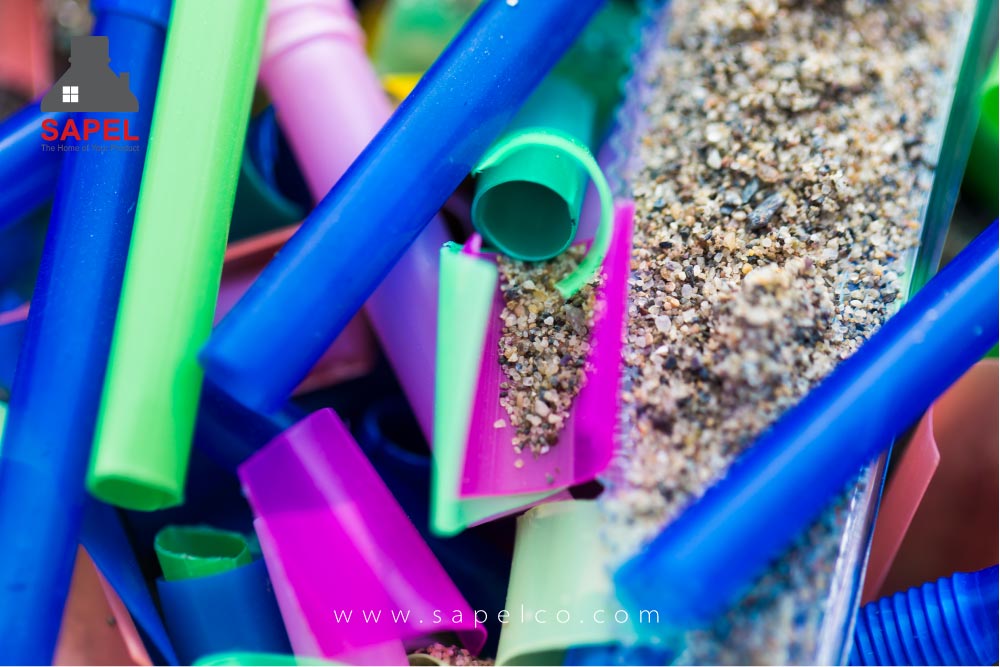
As consumers, we are pleased and assume this magical plastic has successfully broken down and returned to nature. Manufacturers exploit exactly this, advertising their products with green labels such as “biodegradable” or “compostable”. But this disappearance is just a conjuring trick, a false magic! The truth is that the real, dark story of oxo plastics only begins here: the plastic has vanished from sight, but its real damage to the planet is just starting, as it turns into microplastics, which we look at below.
Note: Genuinely biodegradable plastics are being developed today, and they are completely different from these oxo-degradable plastics. To learn more, read our article What Is Biodegradable Plastic?
Plastics That Turn into Invisible, Toxic Particles
The microbes and bacteria in nature do not recognize these plastics as food at all, so nothing digests or destroys them. Oxo plastic has not really disappeared; it has simply turned into millions of extremely small, invisible particles called “microplastics“. These tiny toxic particles spread through the soil and the oceans, fish and birds eat them by mistake, and eventually they end up on our own plates through the food chain. In other words, these plastics have not solved the waste problem; they have turned it into an invisible and even more dangerous disaster.
Landfills: Why Do These Plastics Survive in the Ground?
Most of the plastic we throw away ends up in landfills. Oxo plastics need two things to fragment: oxygen and sunlight. But once waste is buried and compacted underground, the environment becomes completely dark and oxygen-free (anaerobic). As a result, these plastics stay underground unchanged for years, just like ordinary plastic bags. And even if, against all odds, they did break down in that dark depth, they would produce a dangerous gas called “methane“, which heats the planet strongly and is 25 times more harmful to the environment than carbon dioxide.
How Did the World Catch Out These Fake Plastics?
When scientists realized the scale of the deception, there was an outcry:
- In 2018 the European Union moved to ban oxo-degradable plastics altogether because of the risk of them creating microplastics.
- In the United States, the government issued serious legal warnings to companies making false biodegradability claims and stopped them.
- Major companies such as Nestlé and PepsiCo also completely boycotted the use of these plastics.
What Is the Real Solution?
To save the planet, we need to cross oxo-degradable plastics off our list and turn to real solutions:
- Recycling and reusing the plastics already in circulation, from which all kinds of containers and packaging are made, and using recycling codes on plastic containers and parts.
- Truly plant-based, compostable plastics: made from corn starch, sugar cane or bamboo, which genuinely break down in nature and turn into useful fertilizer for the soil.
- Living plastic technology: the remarkable idea of embedding dormant bacteria in the plastic itself, so that when we have finished with it and it is put into compost, the bacteria wake up and completely destroy the plastic from the inside within a few days, without producing a single particle of microplastic.
We cover points 2 and 3 in detail in our article on biodegradable plastics.