

Sapel Blog
Single-Cavity vs. Multi-Cavity Molds: What’s the Difference?
Imagine your new product design is finished and you’re ready for mass production. At this stage, a wrong decision about the type of mold can drive up production costs dramatically or delay your launch by months. One of the most important choices in plastic mold making is between a single-cavity mold and a multi-cavity mold.
In this article we explain, in simple but expert terms, the differences, advantages and disadvantages of each, so you can make the best decision for your production line.
What Is a Single-Cavity Mold?
As the name suggests, a single-cavity mold produces just one plastic part per injection cycle. These molds have a simpler structure and are often the starting point for many production projects.
Advantages of Single-Cavity Molds:
- Lower upfront cost: these molds are cheaper to make because of their simpler design and less machining.
- Shorter lead time: if you’re in a hurry to get your product to market, a single-cavity mold is ready sooner.
- Tighter quality control: because the machine is focused on producing just one part, injection parameters (such as pressure and temperature) can be controlled much more precisely.
Disadvantages of Single-Cavity Molds:
- High piece-part cost: because the production rate is low, they don’t make economic sense for high volumes.
- Wear on the injection molding machine: to produce 100,000 parts, the machine has to run 100,000 cycles.
Single-Cavity vs. Multi-Cavity Molds at a Glance
To help you choose, let’s compare the two on a few key factors:
- Tooling cost: a multi-cavity mold can cost much more up front, but if your volumes run into the millions, that cost is spread over time and pays off.
- How the number of cavities affects part quality: very tight tolerances (for example, for sensitive medical parts) are easier to achieve with single-cavity molds. In multi-cavity molds, there can be microscopic differences between the part from the first cavity and the part from the last.
- Mold maintenance and wear: maintaining and repairing multi-cavity molds takes more expertise, and if one cavity fails, the whole production line may have to stop.
When Should You Choose Which Mold?
- Choose a single-cavity mold if: your initial budget is limited, your part is large, you need exceptionally high dimensional accuracy, or your production volume is low (under 50,000 parts).
- Choose a multi-cavity mold if: you have small parts with a fairly simple design and expect to need hundreds of thousands or millions of parts quickly.
One Step Away from Professional Production:
If you’re still unsure which type of mold to choose, or need an accurate cost estimate for your project, our team of specialists can help. For engineering advice and plastic injection mold design and manufacturing to the highest industrial standards, get in touch with us today, and we’ll plan the best route to producing your product.
What Is a Multi-Cavity Mold?
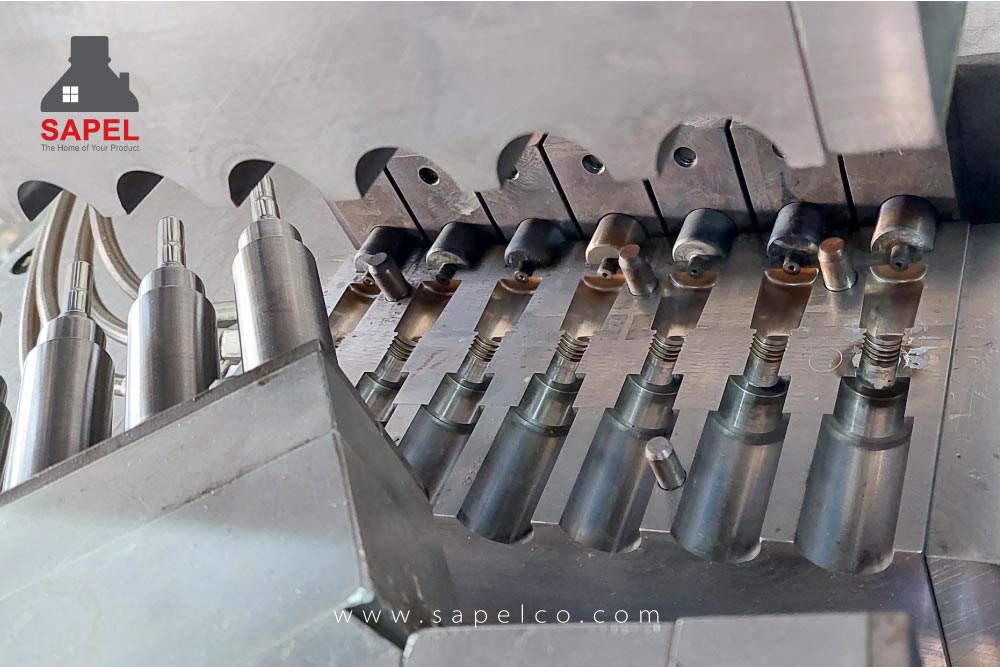
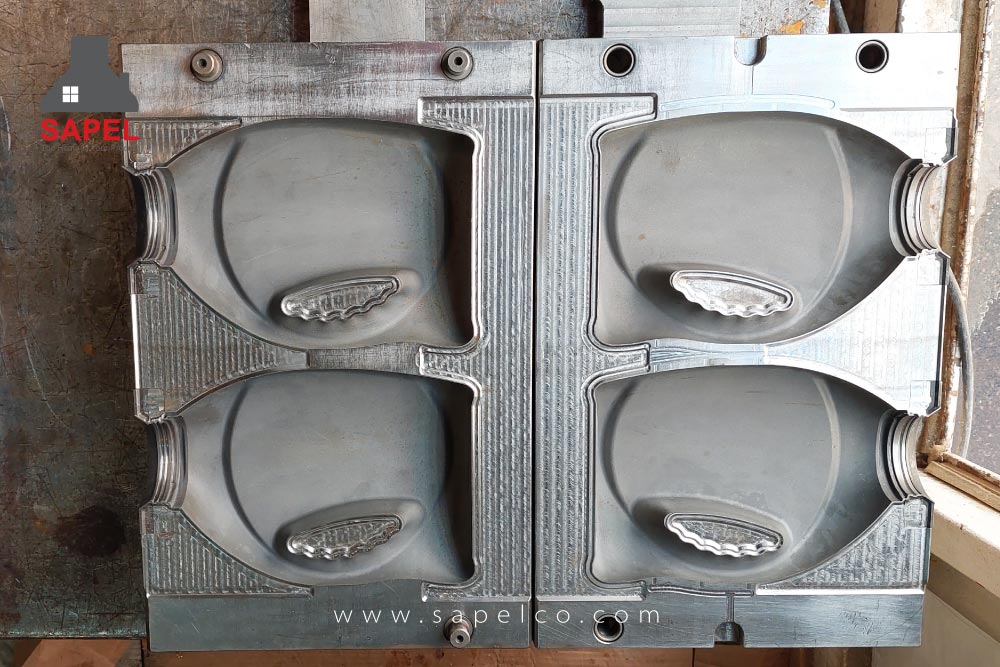
A multi-cavity mold, by contrast, has several identical cavities (or even different ones, in family molds) and produces several parts at once every time it closes and injects (for example 4, 8, 16 or even 128 cavities).
Advantages of Multi-Cavity Molds in Plastic Injection Molding:
- Much shorter production time: output rises sharply, which is vital for mass production volumes.
- Lower cost per product: as setup costs and machine time are shared among several parts, the cost of each part drops sharply.
Disadvantages of Multi-Cavity Molds:
- High upfront cost: designing and machining these molds is complex, time-consuming and expensive.
- More complex injection settings: getting the molten plastic into every cavity at the same pressure and temperature takes precise engineering. This is where the choice of runner system has a major effect on the quality of the final part, and understanding the differences between hot and cold runners and when to use each becomes essential for managing material flow in multi-cavity molds.
Frequently Asked Questions:
What Is a Single-Cavity Mold?
It is a mold that produces just one plastic part in each machine injection cycle, and it suits low production volumes and complex parts.
How Much More Does a Multi-Cavity Mold Cost?
The cost depends on the number of cavities, the complexity of the ejection system and the type of runner, but on average a multi-cavity mold costs 2 to 3 times as much up front as a single-cavity mold, although this cost is recovered in mass production. For an exact price, just fill in the mold design and manufacturing quote request form on our mold making page and we will get back to you.
Does a Multi-Cavity Mold Reduce Part Quality?
If it is poorly designed, yes. But if the mold and runner system are precisely engineered, the parts from every cavity will be fully up to standard and identical.