
Sapel Blog
Choosing the Right Plastic for Pharmaceutical Packaging
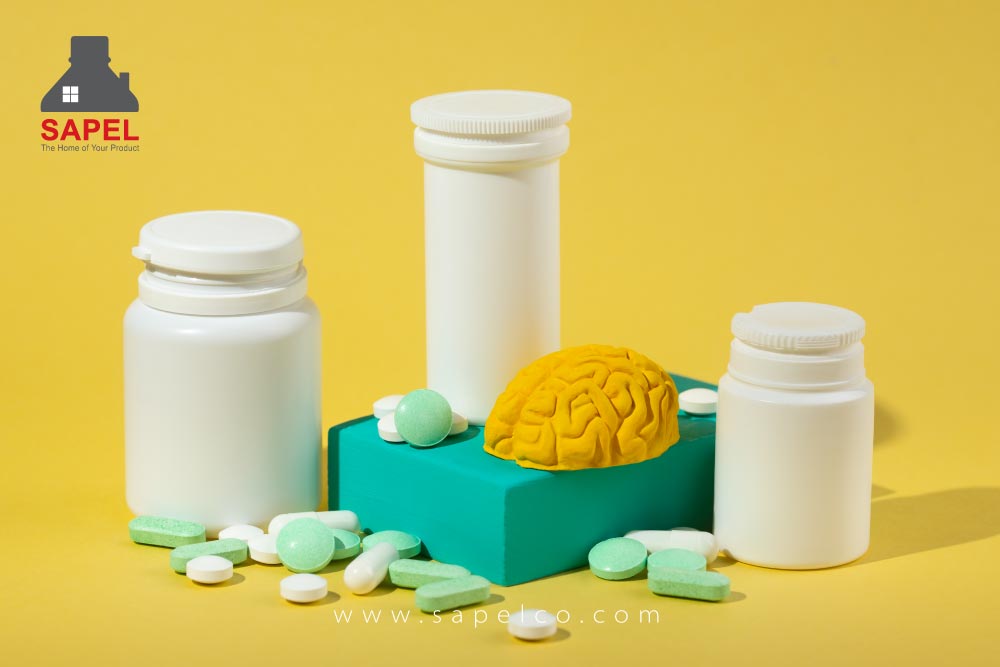
Packaging is an integral, inseparable part of every medicine. This protective system is responsible for maintaining the drug’s stability, quality, efficacy, safety and ease of use throughout production and distribution, right up to the moment the patient takes it. Weak barrier properties against moisture, oxygen and light can lead to chemical degradation of the drug (such as hydrolysis or oxidation), while poor mechanical performance can cause physical damage, leaks or microbial contamination.
Historically, the pharmaceutical industry relied on traditional materials such as glass vials, rubber tubing and metals. However, advances in plastics between the 1930s and the 1950s paved the way for polymers and thermoplastics. Thanks to their flexibility, low production costs and ease of manufacture, plastics quickly replaced glass and metal in pharmaceutical packaging. This shift to polymers cut transport costs and, as single-use products became widespread, brought higher standards of hygiene and disease prevention.
Key Advantages of Plastic in Pharmaceutical Packaging
Today, plastics play a very important role in transforming and improving medical equipment, therapeutic devices and pharmaceutical packaging systems. The versatile technical and structural properties of polymers give these materials many advantages, from production right through to use:
Light Weight and Lower Costs
Compared with heavy glass containers or heat-conducting metals, plastics are very lightweight and cost-effective. This light weight in medicine bottles, syringes and process containers not only cuts transport and distribution costs dramatically, but also minimizes the fatigue healthcare staff suffer from handling heavy equipment and reduces safety risks. In addition, the shatterproof nature of plastics removes the risk of expensive drug containers breaking.
Chemical Inertness
One of the key concerns in packaging pharmaceutical products is incompatibility between the packaging material and the drug’s ingredients. Many of the specialty plastics used in the pharmaceutical industry are completely inert, meaning they do not react with active pharmaceutical ingredients (APIs) or with the chemical solvents used in production, and have no negative effect on the quality, integrity or therapeutic efficacy of the drug.
Mechanical and Chemical Stability
High-quality pharmaceutical plastics fully retain their physical, chemical and mechanical properties over time, even after constant exposure to temperature fluctuations, ultraviolet (UV) radiation and other environmental conditions. This excellent durability and stability makes them a reliable, long-lasting choice for protecting medicines in storage.
Great Versatility
Because they machine and mold so well, plastics can easily be made into all kinds of complex geometric shapes and parts of different sizes. Plastics offer manufacturers a very wide range of properties, such as high clarity, opacity, high tensile strength, flexibility and abrasion resistance, which is why today they are used to make parts for drug-delivery devices (including IV set and syringe components), pumps, gaskets, O-rings and parts for tablet-making machinery.
Hygiene and Compatibility with Sterilization
Plastics that resist temperature changes can easily be cleaned and decontaminated with hot or cold water and disinfectants. Widely used medical plastics such as polypropylene (PP) tolerate high temperatures, so they are very well suited to moist sterilization in a steam autoclave while fully keeping their dimensional stability and performance.
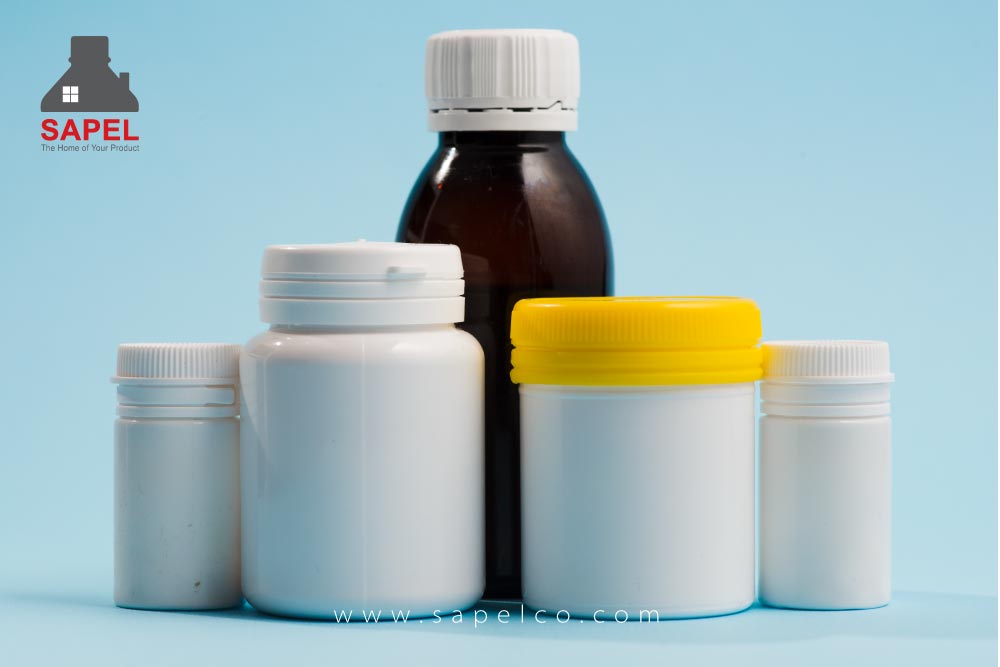
Common Plastics in Pharmaceutical Packaging and Their Uses
Choosing the right plastic for pharmaceutical packaging requires a deep understanding of the physical, mechanical and chemical properties of each polymer and how well its structure matches the needs of the drug formulation. In this section we look at the most widely used standard plastics and advanced thermoplastics in the industry:
1. Polyethylene (PE, Including HDPE and LDPE)
Polyethylene is a very versatile, widely used polymer known for its excellent chemical stability and the fact that it does not react with drugs. Its good processability makes it possible to produce all kinds of pharmaceutical containers and bottles in a variety of shapes. Under pharmaceutical standards, its different grades, high-density polyethylene (HDPE) and low-density polyethylene (LDPE), offer different barrier properties against moisture and oxygen. HDPE, for example, is far less permeable to water and gases, which makes it suitable for sturdier containers. Its advanced, surgical-grade form (UHMW-PE) is a medical plastic with outstanding resistance to impact and wear and excellent chemical compatibility, used in drug-delivery systems and orthopedic devices.
2. Polypropylene (PP)
Polypropylene is a standard, globally used medical-grade polymer that is highly valued for its high optical clarity (for easy visual inspection of drugs before use) and outstanding heat resistance. It has very good dimensional stability and machinability, and it absorbs almost no moisture. PP’s biggest advantage is its high temperature tolerance, which allows steam autoclave sterilization without changing the structure of the container. That is why it is widely used for medicine bottles, trays, drug-delivery device components and reusable equipment.
3. Polyvinyl Chloride (PVC)
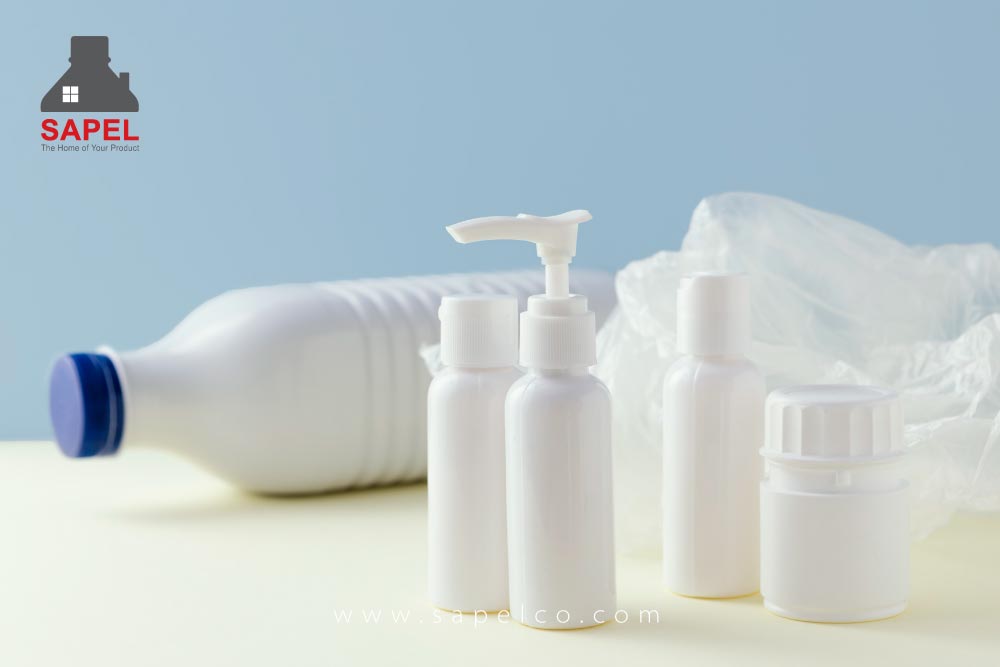
Polyvinyl chloride is a clear, flexible polymer with excellent heat-sealing performance, which ensures containers can be closed quickly and securely. Its high flexibility has made it widely used for IV fluid bags and drug-delivery tubing. PVC is also used as clear film in blister packs (the bubble packs used for tablets and capsules). However, because plasticizers such as DEHP are used in making PVC, there is a risk of these additives migrating into liquid medicines and harming patients’ endocrine systems (especially in children and pregnant women).
4. Polyethylene Terephthalate (PET)
Polyethylene terephthalate is a tough, stable polymer that, under the rules of leading international pharmacopoeias such as the European Pharmacopoeia (EP), is mainly used for containers for medicines formulated for non-parenteral use. It provides a reasonably good barrier against gases and moisture and gives non-parenteral pharmaceutical products good physical and structural stability.
5. Advanced Engineering and Medical Thermoplastics
Beyond traditional plastics, high-performance engineering thermoplastics have brought long-term stability and considerable value to patients and the healthcare industry. The most important of these materials are:
- PEEK (polyether ether ketone): a unique engineering thermoplastic with exceptionally high mechanical strength and impact resistance that offers excellent dimensional stability and good electrical insulation. PEEK is highly biocompatible and has outstanding resistance to stress cracking. It machines easily and is used for sensitive drug-delivery device parts and implants.
- Acrylic (PMMA, or polymethyl methacrylate): this medical thermoplastic is known for its exceptional optical clarity, high impact resistance and proven biocompatibility. Acrylic is used in drug-delivery equipment, diagnostic devices and delicate implants.
- Acetal copolymer (POM, or polyoxymethylene): an engineering polymer with very high stiffness, excellent dimensional stability and outstanding wear resistance. With its very good sliding properties and negligible moisture absorption, POM is an ideal choice for complex, moving, precision parts in drug-delivery devices.