
Sapel Blog
Can Nail Polish Bottles Be Recycled?
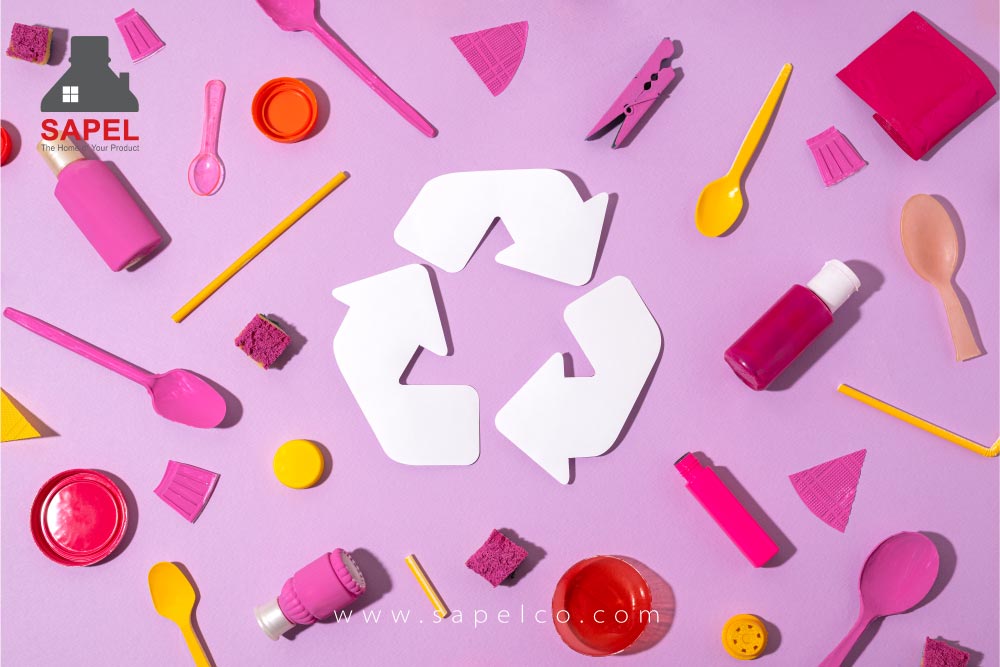
The big misconception: “It’s just an ordinary glass bottle!” Many people believe nail polish bottles can easily be recycled through municipal recycling, on the grounds that they are made of glass and glass is highly recyclable. But the reality is far more complicated.
The main problem is not the glass but the sticky liquid left inside. The Environmental Protection Agency (EPA) classifies nail polish as household hazardous waste (HHW). Nail polishes contain toxic chemicals such as toluene, formaldehyde and dibutyl phthalate. When these bottles end up in the regular recycling stream, they contaminate and damage plant equipment and other clean recyclables. On top of that, cleaning the inside of these small bottles with solvents such as acetone is very difficult, time-consuming and costly, and using those solvents creates new environmental hazards of its own. So recycling nail polish bottles is never as simple as recycling ordinary glass containers; it calls for specialized, responsible disposal.
What a Nail Polish Bottle Is Made Of
The Glass Body: High Recycling Potential
To understand the challenges of recycling, we first need to look at how nail polish bottles are made. The body of most of these bottles is glass, because glass is very durable and preserves the quality of the polish best. Environmentally, glass is extremely recyclable: it can be melted down and used again to make new glass products with no loss of quality. But a glass body alone is not enough to make recycling easy, because the sticky polish residue inside greatly complicates and disrupts the remelting process.
The Plastic Cap and Brush: The Problem of Mixed Plastics
The cap and the brush attached to it are made of completely different materials. Caps are usually plastic, although some designs also include decorative or functional metal parts. The big problem is that the types of plastic used to make these caps vary widely. Because of this variety, not all plastic caps carry the same recycling codes, and they cannot all be accepted in a regular municipal recycling stream; many of them need specialized technology and recycling centers. If these caps enter the recycling stream without being properly sorted, they contaminate and spoil other clean recyclables.
Why the Parts Must Be Separated Before Recycling
Because a nail polish bottle is made of three completely different materials, glass, plastic and sometimes metal, recycling it requires these parts to be fully separated from each other before the process starts. This adds an extra, costly step to recycling and places a heavy burden on consumers to sort the parts carefully.
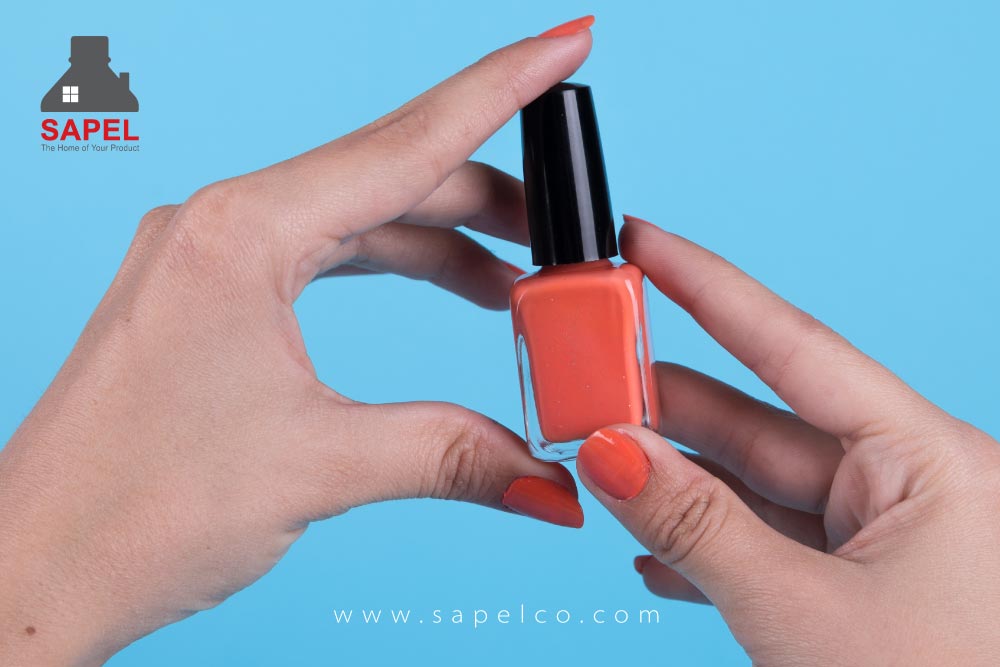
Why Is Recycling Nail Polish Bottles So Difficult?
Although the glass body of a nail polish bottle can be recycled, in practice recycling these small bottles faces major obstacles that set it apart from ordinary recycling. It should be said, though, that if these bottles are plastic bottles, the situation is different in some cases:
- Toxic chemicals (hazardous waste): Nail polish is effectively classed as a paint. The U.S. Environmental Protection Agency (EPA) lists it as household hazardous waste. It contains toxic chemicals such as toluene, formaldehyde and dibutyl phthalate, which pose a serious threat to the health of people, animals and the whole planet if disposed of improperly.
- High flammability: Nail polish contains a large amount of volatile organic solvents, which give it its strong, distinctive smell. These solvents bring the flash point of the liquid polish below 140 °F (about 60 °C). This makes liquid polish highly flammable and means processing it in ordinary recycling plants carries serious safety risks.
- Contaminating equipment and recyclables: When bottles containing leftover liquid polish are sent to recycling centers, these sticky chemicals can contaminate and damage the plant’s equipment and other clean, sorted recyclables.
- Bottles are hard to clean: Nail polish is designed to stick firmly and last a long time on surfaces. Removing every trace of it from inside a small glass bottle is very difficult and time-consuming. It usually requires strong solvents such as acetone, which are hazardous in their own right, and cleaning with them produces new harmful waste. That is why the cost and energy needed to clean these bottles make conventional recycling impractical.
What Can We Do?
If you want to take a step towards reducing waste as a responsible consumer, following these tips when dealing with old nail polish bottles is essential:
- Use it up completely: Before you decide to throw away or recycle a bottle, try to use as much of the polish as you can so the bottle is as empty as possible.
- Empty and pre-clean the bottle safely: You can wipe small amounts of leftover polish from inside the bottle with a cotton pad soaked in nail polish remover (solvent). However, be very careful when working with acetone or polish removers, as these solvents are hazardous in their own right, and cleaning the glass completely with them is a hard, time-consuming job.
- Separate the parts: If possible, remove the plastic cap, the brush and any other non-glass parts from the glass body of the bottle. This makes sorting easier and is a big help to processing and sorting at recycling centers.
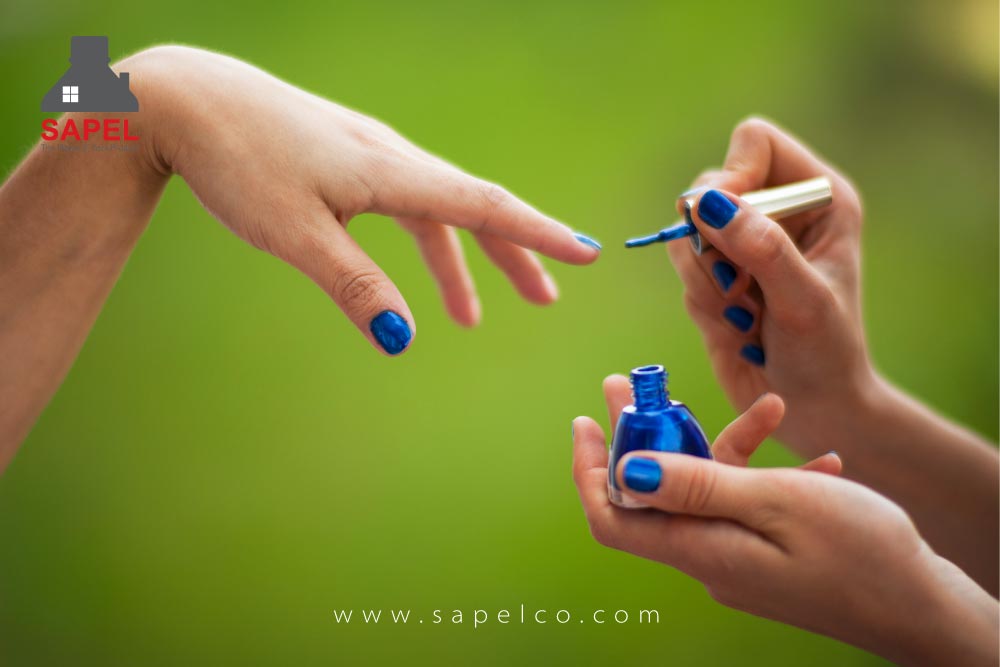
Creative Ideas for Reusing Nail Polish Bottles
If you have nail polishes in your cupboard whose colors you no longer like, instead of throwing them away you can reuse them with a little creativity:
- Color-coding and organizing: Put a drop of colored polish on items such as house keys, clips or USB flash drives so you can sort and identify them easily.
- Clear polish as a multi-purpose tool: Clear polish is extremely useful. You can use it as a protective glue (instead of super glue), to stop the cut edges of fabric from fraying, or to secure the thread on clothing buttons so they don’t come loose.
- Painting and refreshing small items: With colored polishes and their fine brushes, you can beautifully touch up and decorate old picture frames, hair clips, handmade jewelry and even chipped ceramic tiles around the house.
- Turning an empty bottle into a miniature vase: If a nail polish bottle is completely empty, remove the label, let the remaining polish dry completely inside, and then use it as a fancy miniature vase for small flowers.
Choosing the Right Nail Polish When You Buy
- Buy non-toxic “Free” polishes: Look for products with safer formulations. Non-toxic polishes labeled 3-Free (free of three hazardous substances: formaldehyde, toluene and dibutyl phthalate), or even 10-Free and 16-Free, are available and contain fewer toxins. Remember, though, that even these organic, reformulated polishes are still classed as paints from an environmental point of view and must be disposed of responsibly.
- Switch to polish-free manicures: To get rid of chemical fumes, waste glass bottles and harsh solvents altogether, you can try natural manicure methods such as a dry buff-and-shine manicure, which gives your nails a natural, clean and glossy look without any polish or bottles at all.