

Sapel Blog
What Is a Mold Cavity?
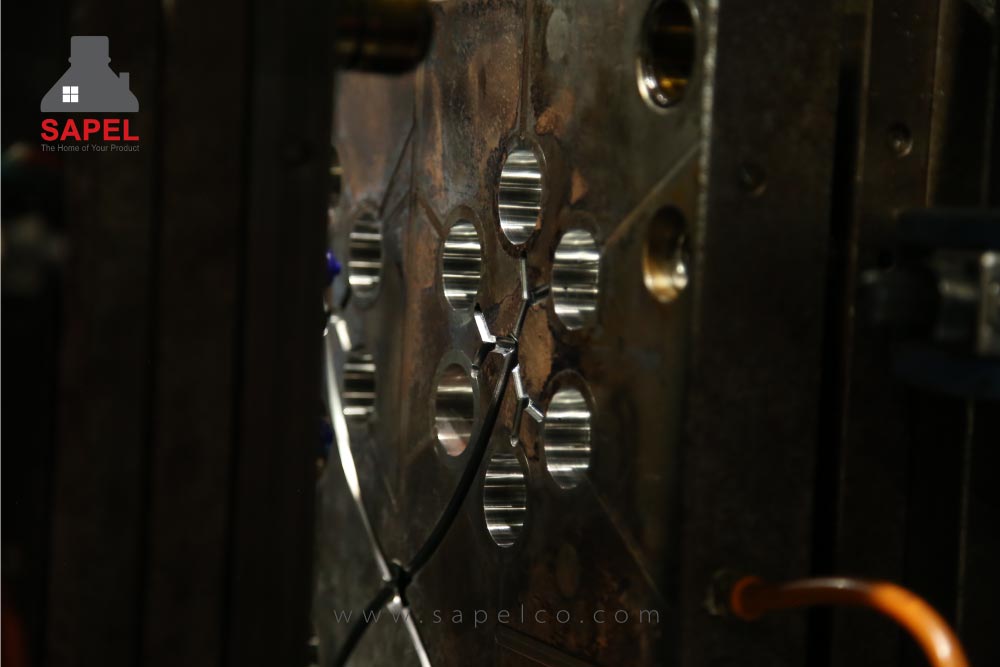
I always tell Sapel’s customers that mold making is like building a 3D puzzle out of steel. When we want to turn your idea into a real plastic product, we need a completely hollow space inside that steel for the molten plastic to flow into and take shape. This hollow space, machined to match your finished product exactly, is what we mold makers call the cavity.
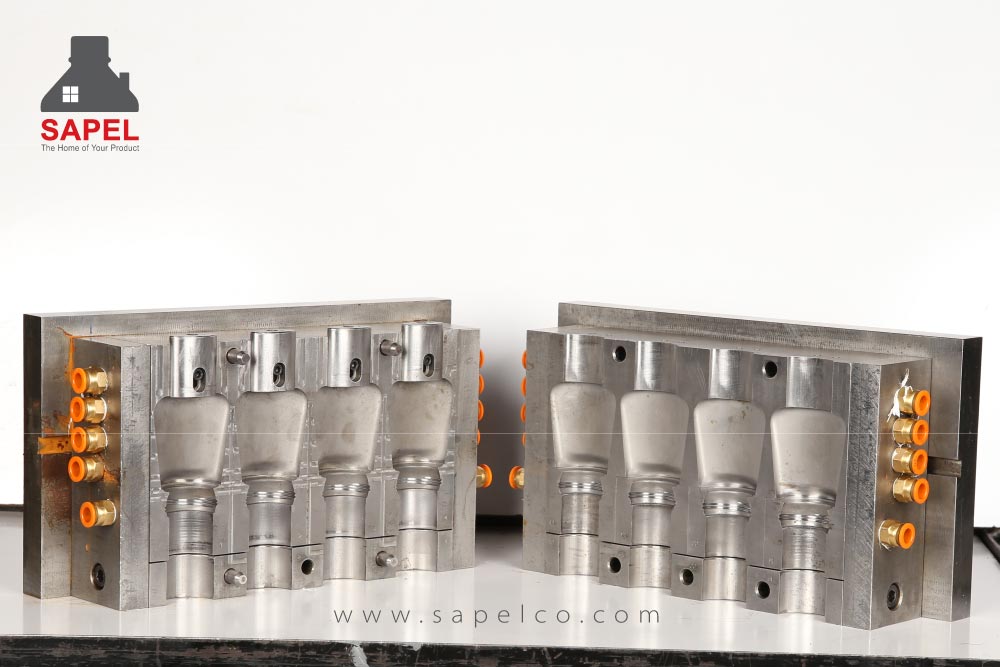
To make it easier to picture, every injection mold is made up of two main halves. The first half, which is usually concave and forms the outer shape and appearance of your product, is the “cavity”, or female side of the mold. The second half, which forms the hollow inside and the inner surface of the product, is called the “core”, or male side.
So why is cavity design so critical? The look, finish and outer surface of your final product will be exactly what the cavity walls dictate. The slightest inaccuracy, scratch or flaw in the cavity is copied straight onto your part and lowers the quality of the work.
How Does a Cavity Work?
When the injection molding machine starts, the hot, molten plastic is forced into these cavities (the hollows) at very high pressure. Under that pressure, the fluid material fills every corner of the mold, and the machine holds it under pressure until it has fully taken shape. Once the material has cooled, the plastic becomes a solid, rigid part, and the machine ejects it. At Sapel we carry out this process with the utmost precision, using advanced machines and very finely tuned cooling systems, so that your final product, whether a plastic part or plastic bottles, comes out without any defects.
Types of Molds by Number of Cavities
Now we come to the part that directly affects your budget and your production volume! We classify molds by the number of these cavities:
Single-cavity molds: as the name suggests, these molds have just one cavity and produce just one part each time the machine opens and closes. Their upfront cost is lower, and at Sapel we mostly recommend them for low-volume production or for making prototypes.
Multi-cavity molds: when you come to us wanting to win the market with “mass production”, our golden recommendation is a multi-cavity mold. These molds have several identical cavities and produce several parts at once in every machine cycle. Although they cost more and take more work to build at first, they increase production speed dramatically, so they are very cost-effective for mass production and the initial cost pays for itself in a short time.
Family molds: these molds also have several cavities, but they don’t produce identical parts! Instead, they produce the different parts of one finished product at the same time (for example, the lid and body of a container), to be assembled later. This way, all the parts needed to assemble a product are made in a single process, which saves you a great deal of time and money.
To learn more about single-cavity and multi-cavity molds, read our article Single-Cavity vs. Multi-Cavity Molds: What’s the Difference?
What Is a Cavity Made Of?
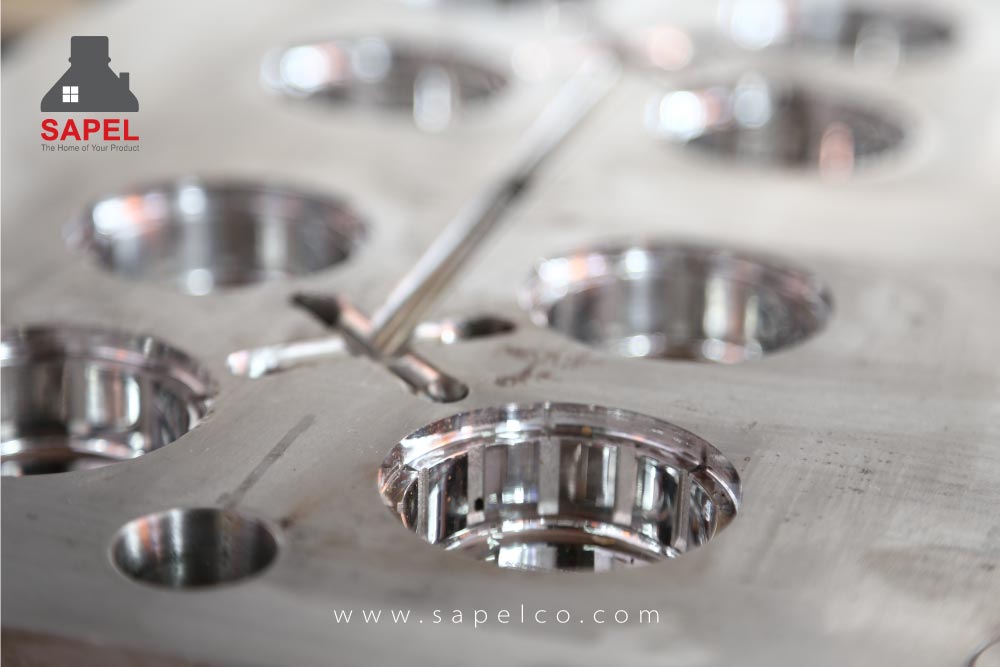
To make sure the mold lasts, molds are usually made of steel. But which steel we choose for your cavity at Sapel depends on your production volume:
- H13 steel: this steel is tough in every sense of the word! It is excellent for very high-volume production, where the mold has to open and close millions of times, and for high-temperature materials, and it shows outstanding wear resistance.
- P20 steel: if your production volume is moderate, this steel is an excellent choice. Because it is easier to machine, your mold is ready faster and at a better price.
- NAK80 steel: when you want a premium product with a very glossy, mirror-like or textured finish, we turn to this steel, which gives the part an exceptional surface quality.
Conclusion and Sapel’s Services
To finish, I want to tell you, as a colleague, that designing and making a flawless cavity takes a great deal of experience and finesse, because to get a defect-free result the mold has to be built with the utmost precision. This is where we at Sapel, with many years in the trenches of the plastics industry, are proud to say we are ready to take care of every step of making your custom molds to the highest quality. Whether you need a simple single-cavity mold or are thinking of complex multi-cavity molds for mass production, our specialist team is by your side to turn your valuable ideas into reality in the best possible way.