

Sapel Blog
What Is Wire EDM Cutting and How Does It Work?
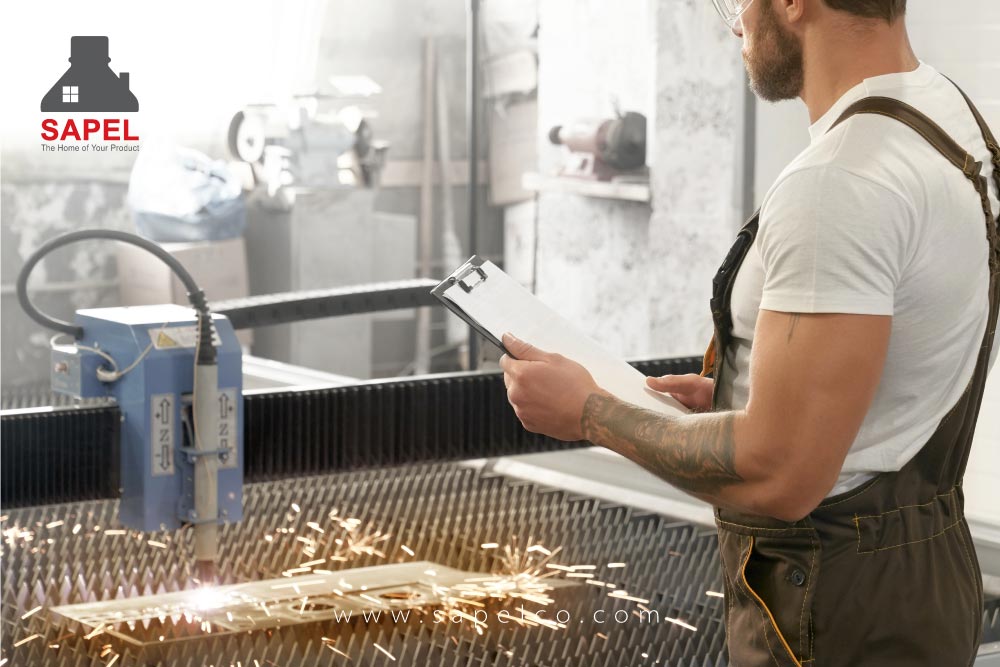
You may be interested to know that in the past, when we wanted to shape hardened steel to make molds for plastic production, drills, cutting blades and lathes were always involved. But in today’s advanced world, we use a much more delicate method to make the molds for your jerrycans and bottles. In this modern technology, instead of harsh blades, we use a very thin metal wire, usually made of brass or copper.
The exciting part is that this thin wire never physically touches the hard metal of the mold, and there is no cutting by force or mechanical pressure. Instead, the wire uses electricity: when the electrically charged wire approaches the metal, powerful sparks are created that gradually melt away the metal at that exact spot.
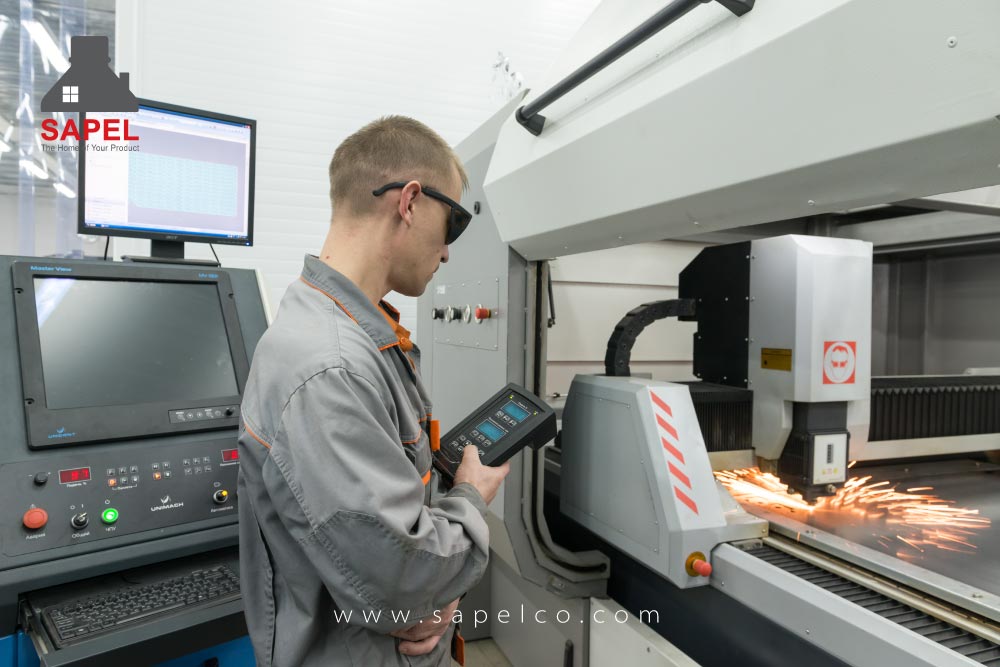
How Does a Wire EDM Machine Work?
When the electrically charged wire approaches the workpiece, the electricity makes very powerful sparks jump between the wire and the metal. These sparks melt tiny portions of the metal at that exact point and gradually remove them.
But the real magic happens somewhere else: the whole sparking and melting process takes place in a small pool of purified water. This water does two very important jobs for us when we make Sapel’s molds. First, it keeps the metal cool so it isn’t damaged or distorted by the intense heat of the sparks; second, it washes away all the tiny molten particles. This leaves the surface of our molds smooth, even and clean, like a mirror. When a mold is made this precisely and cleanly, the plastic jerrycans and bottles that come out of it are perfectly uniform, with no sharp edges, flash or risk of leaks.
How Wire EDM Relates to Quality
Machining and shaping these hard steels is not easy, but with this advanced technology we can create the most complex shapes in them. For example, the precise threads of jerrycan caps, which must seal perfectly so there are no leaks at all, are made this way with astonishing accuracy, with a cutting error of less than two hundredths of a millimeter.
Another point is that because the cutting wire never touches the mold directly, no mechanical force or pressure is applied to the metal. At Sapel we use this method extensively to make plastic injection molds, so that the finest, most delicate details take shape exactly as designed.
In Short: What Does This Precision Mean for You?
You are probably wondering what all this precision in machining metal ultimately does for you and your business. Let’s look at it from your point of view. One of manufacturers’ biggest headaches is product leaking from packaging containers, or untidy containers with excess plastic on the body. Thanks to this technology, molds are made so precisely that they can reproduce plastic parts in exactly the intended shape and detail, without the slightest error.
Because no physical pressure or force is applied to the metal, the mold edges come out perfectly clean, without any damage or burrs. That means the jerrycans and bottles you receive have none of those sharp lines and excess plastic (flash) on their bodies, and the finished products have a very smooth, excellent surface. This unmatched precision also means the threads of the cap and the neck mate together perfectly; as a result, the container’s wall thickness is the same all over, and the cap closes so tightly that not a single drop of your valuable product will leak out. After all, the quality, durability and appearance of your packaging are the first things the end customer sees on the store shelf, and a flawless, attractive container multiplies your brand’s credibility in the market.